
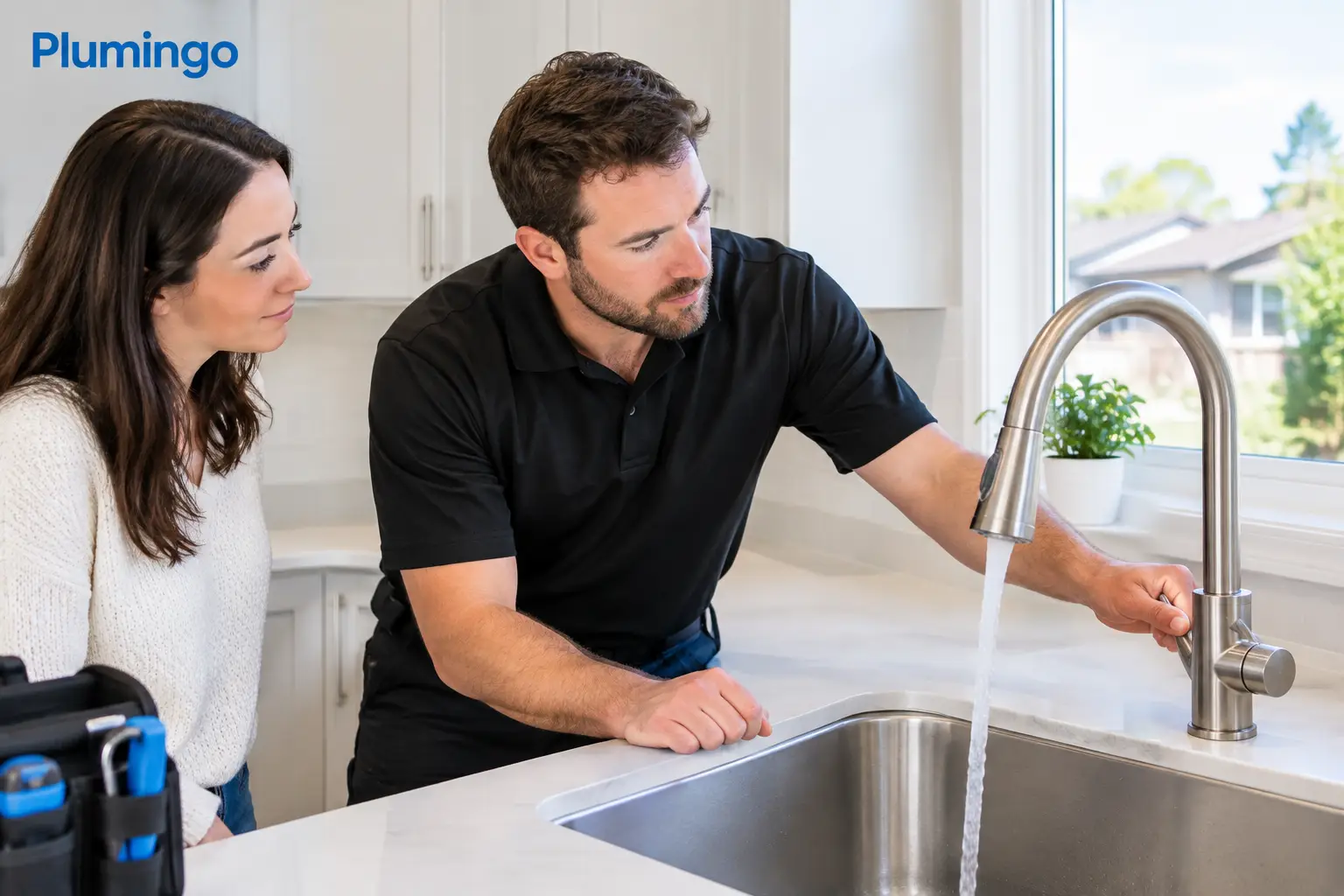
A shower that weakens when someone starts the dishwasher is frustrating. Pressure that surges, drops, then returns when no fixture is running deserves closer attention. If you are asking, why is water pressure fluctuating, the answer can range from normal household demand to a developing issue in your plumbing, water treatment equipment, or municipal supply.
The useful first step is to notice the pattern. Does the change affect one faucet or the whole property? Does it happen only during peak-use times, after a water softener cycle, or at random? Those details help separate a simple fixture problem from a system-wide concern.
Why Is Water Pressure Fluctuating? Start With the Pattern
Water pressure and water flow are related but different. Pressure is the force pushing water through the pipes. Flow is the amount of water that reaches a fixture. A partially blocked showerhead can reduce flow while the supply pressure remains normal. A pressure regulator issue, by contrast, can cause pressure changes throughout the building.
Test a few cold-water fixtures at different locations. Try a kitchen faucet, a bathroom faucet, and an outdoor spigot if available. Then repeat the test while a toilet flushes or a washing machine fills. If only one fixture is affected, the cause is usually local. If every fixture changes together, look upstream at the main supply, pressure regulator, or equipment connected to the water line.
Normal demand can cause temporary dips
Some pressure variation is expected when multiple fixtures use water at once. A home with a standard plumbing layout may see a brief shower-pressure drop when another person runs a tap, flushes a toilet, or begins a laundry cycle. Older buildings and larger commercial spaces can feel this more sharply if their piping was not sized for current demand.
A small, predictable dip is different from repeated surging or a sudden major loss of pressure. If pressure remains low long after demand stops, there is likely another factor involved.
Municipal supply changes may affect the whole property
Your water utility may adjust pressure, perform maintenance, flush lines, or experience high neighborhood demand. These changes can be most noticeable in the morning, evening, or during hot weather when outdoor water use increases.
If neighbors report the same issue, the source may be outside the property. In Kitchener, as in many communities, planned utility work and seasonal demand can temporarily influence service conditions. If the fluctuation is widespread but persistent, a plumbing professional can still confirm whether your building’s pressure control equipment is responding correctly.
Common Causes Inside the Plumbing System
System-wide fluctuations are often tied to components that control, filter, or distribute water. The cause matters because the right repair may be a cleaning, adjustment, or targeted replacement rather than a broad plumbing overhaul.
A failing pressure regulator
Many properties have a pressure-reducing valve, also called a pressure regulator, installed where the main water line enters the building. Its job is to reduce and stabilize incoming pressure from the municipal supply.
When a regulator wears out, pressure may creep unusually high, fall too low, or swing between the two. You may hear pipes rattle, notice faucets sputtering, or find that appliances behave differently from one use to the next. A licensed technician can test static and running pressure, then determine whether the regulator needs adjustment or replacement.
A partially closed main shutoff valve
A main shutoff valve that is not fully open can restrict water flow. This sometimes occurs after plumbing work, renovations, leak repairs, or a period when the building was vacant. A gate-style valve can also fail internally even when its handle appears open.
Avoid forcing older valves. Turning a corroded or damaged valve aggressively can create a leak. If you are unsure whether the valve is fully open or working properly, have it inspected as part of a service visit.
Mineral buildup and aging pipes
Hard-water minerals, sediment, and internal pipe corrosion can narrow the path water uses to reach fixtures. The effect is often gradual. A homeowner may first notice reduced pressure at one shower, then at a bathroom group, or only on hot water.
Hot-water-only pressure changes can point toward the water heater, hot-side shutoff valves, or mineral buildup in related lines. Cold-water-only changes may suggest an issue at a fixture, filter, or incoming supply line. In older properties, a professional assessment can identify whether a specific section can be repaired without replacing unaffected plumbing.
Clogged fixture screens and cartridges
When one faucet pulses or delivers weak flow while the rest of the building is normal, check the aerator or showerhead first. Small screens collect debris released during utility work or plumbing repairs. Faucet cartridges can also wear down and create inconsistent flow or temperature behavior.
Cleaning or replacing the affected fixture component is usually straightforward. If debris returns after cleaning, however, it is worth checking the broader system for sediment or deteriorating parts.
Water Treatment Equipment Can Affect Flow
Water treatment supports better water quality, but filters and softeners need routine service to maintain performance. A system that is overdue for maintenance can become a restriction point, especially if pressure was already modest before the equipment was installed.
Sediment and RO filters need scheduled changes
A sediment filter collects particles before they reach fixtures and appliances. As the filter loads with sediment, water may pass through more slowly. The result can feel like low or inconsistent pressure, particularly during high-demand periods.
Reverse osmosis systems are different: they intentionally produce water slowly and store it in a small tank. Low flow at a dedicated RO faucet may be caused by exhausted filters, a depleted storage tank, low tank air pressure, or a worn membrane. This issue should not normally affect pressure at the rest of the home unless the plumbing configuration has a separate concern.
Water softener settings and service needs
A water softener can affect flow if its bypass valve is incorrectly positioned, its resin bed is fouled, or a control valve is not operating as intended. Regeneration cycles may also create temporary changes in water use patterns.
Do not assume the softener is the problem simply because it is connected to the main line. A technician can test pressure before and after the unit, inspect the bypass, and verify that the system is sized and programmed appropriately for the property’s water conditions and usage.
Check for Hidden Leaks and Pump Issues
A leak does not always leave a visible puddle. A leak on the supply side of the plumbing can reduce available pressure, while a leak after the water meter can cause the meter to move when all fixtures are off. Listen for a toilet that refills intermittently, inspect around visible pipes, and watch for damp areas, staining, or an unexpected change in water use.
Properties served by a well, booster pump, or pressure tank have additional possible causes. A pump that cycles too frequently, a failing pressure switch, or a waterlogged pressure tank can create noticeable pressure swings. These systems should be evaluated by a qualified professional because electrical controls and pressurized equipment require careful testing.
When a Professional Inspection Makes Sense
Book an inspection when pressure fluctuates throughout the property, changes suddenly, or occurs alongside banging pipes, discolored water, recurring filter clogs, or signs of leakage. Commercial operators should also act early when changing pressure affects restrooms, kitchens, water-dependent equipment, or customer-facing operations.
A proper assessment is more useful than guessing at a replacement. It should include pressure readings at rest and under demand, a review of shutoff and pressure-control valves, and an inspection of water treatment equipment where applicable. This creates a clear path forward, whether the solution is servicing a filter, correcting a valve setting, repairing a localized restriction, or addressing a failing regulator.
For homeowners and property managers, keeping a simple note of when fluctuations occur can save time during diagnosis. Record the affected fixtures, time of day, whether hot and cold water behave differently, and any recent plumbing or utility work. That information gives the technician a stronger starting point.
Steady water pressure is part of a plumbing system that feels quiet, dependable, and easy to live with. Addressing changes early helps protect that comfort while allowing repairs and maintenance to stay focused on what the system actually needs.
Need this done in your home?
Plumingo handles this work across Kitchener, Waterloo, Cambridge and Guelph. Read how we do it, or call us and we will give you a price before we start.
Learn about all Plumingo plumbing servicesNeed a plumber in Kitchener-Waterloo?
Licensed, insured and upfront about pricing. Call us or book online in under a minute.