
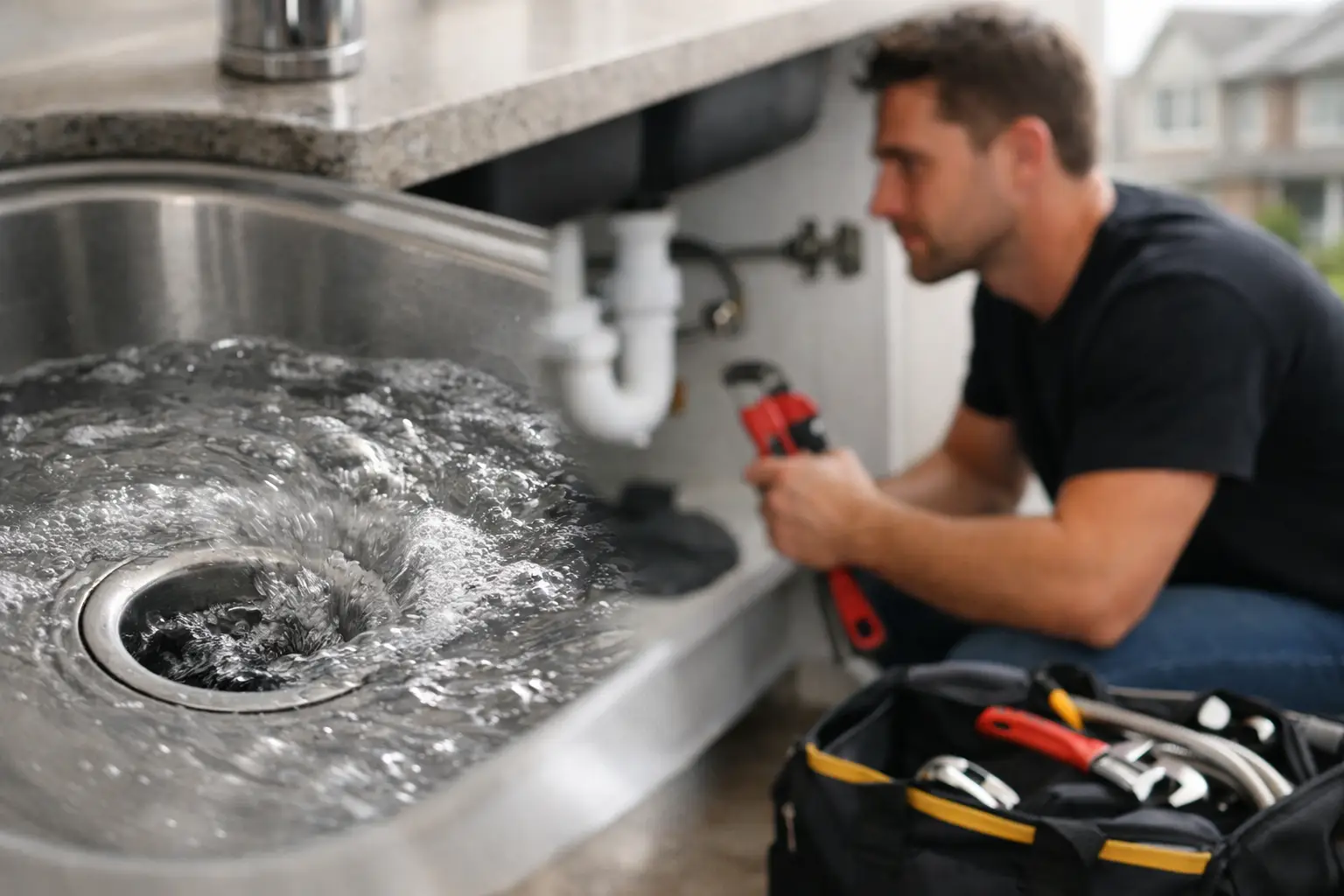
A drain that gurgles after the sink empties or the toilet flushes is not simply making an odd noise. It is telling you that air is struggling to move through the plumbing system. If you have been asking, why is my drain gurgling, the answer is usually related to a partial blockage, a venting issue, or a developing problem farther along the drain line.
One gurgle does not automatically mean a major repair is needed. Still, recurring noises deserve attention, especially when they come with slow drainage, sewer-like odors, or water rising in another fixture. Addressing the cause early can help protect your plumbing system and avoid an inconvenient backup.
Why Is My Drain Gurgling in the First Place?
Your drains need two things to work properly: a clear path for wastewater to leave and a clear path for air to enter. Plumbing vents, typically routed through the roof, equalize pressure inside the drain system. They allow water to flow without pulling water out of fixture traps or forcing air back through a sink, tub, or toilet.
When water meets a restriction in the pipe, it can create suction and pressure changes. The gurgling sound is air bubbling through standing water in a trap or through wastewater that cannot move freely. The sound may come from the fixture you are using, but the restriction is not always located directly below it.
For example, a kitchen sink may gurgle because grease and food residue have narrowed the branch drain. A toilet may bubble when the shower runs because both fixtures share a line with a partial clog farther downstream. When multiple fixtures are involved, the main building drain or venting system becomes more likely.
Common Causes of a Gurgling Drain
A partial clog in the fixture drain
This is one of the most common causes. In bathroom sinks and tubs, hair, soap residue, toothpaste, and personal care products gradually collect in the trap or nearby drain line. In kitchens, grease, coffee grounds, food particles, and detergent buildup can reduce the pipe opening over time.
A partial clog still lets some water through, which is why the issue may seem minor at first. As the water passes the narrowed section, it can pull air with it and create the familiar gulping or bubbling noise. Slow drainage often appears alongside the sound.
A blockage farther down the line
If more than one fixture gurgles, drains slowly, or affects another fixture, the problem may be beyond a single sink or tub drain. A clog in a shared branch line can affect several bathrooms, a laundry room, or a kitchen area. A restriction in the main drain can affect larger portions of the property.
Watch for patterns. If flushing a toilet makes the bathtub gurgle, or running the washing machine causes a nearby sink to bubble, avoid treating each fixture as a separate issue. The plumbing system is connected, and the shared line should be assessed.
A blocked or improperly functioning plumbing vent
Vents can become obstructed by leaves, nests, debris, frost, or other material at the roof opening. In colder conditions, frost can also restrict airflow around a vent termination. When the vent cannot bring in enough air, the drainage system may pull air through fixture traps instead.
Vent issues can be difficult to confirm from inside the property. Roof work carries obvious safety risks, and venting problems can resemble drain clogs. A professional inspection is usually the most practical way to distinguish between them.
Problems with the main sewer line
A main sewer line restriction may develop from accumulated waste, grease, scale, a damaged pipe, or roots entering an older line. Homes and commercial properties can both experience these issues, although the causes vary with the building's age, use, and pipe material.
A main line concern does not always begin with a full backup. Gurgling, intermittent slow drains, and toilet bubbling can be early signs. If the lowest drains in the building, such as a basement floor drain, shower, or utility sink, start to show water or sewage, stop using water-heavy fixtures and arrange professional service promptly.
A dry or compromised trap
Every sink, tub, shower, and floor drain has a trap that holds water. That water creates a seal against sewer gases. In a rarely used bathroom, storage area, or commercial floor drain, the trap can dry out and allow odors or unusual sounds to become noticeable.
Pouring water into an unused drain may restore the trap seal. If the sound continues, the trap repeatedly dries out, or sewer odors remain, the issue may involve venting, a damaged trap, or another drainage concern.
Safe Checks You Can Try Before Booking Service
Start by identifying which fixtures are affected. Run water briefly in one fixture at a time and listen for gurgling elsewhere. This simple check helps determine whether the issue appears isolated or shared.
For a sink, remove visible debris from the stopper and drain opening. A small drain snake can be useful for reachable hair or buildup, particularly in a bathroom sink or tub. Clean the sink's P-trap only if you are comfortable doing so and can place a bucket beneath it to catch water. Reassemble the fittings carefully and test for leaks afterward.
A plunger can also help with a localized clog. Use a clean sink plunger for sinks and tubs, and a flange plunger for toilets. For a double-basin kitchen sink, seal the opposite drain opening before plunging. Use controlled pressure rather than excessive force, which can loosen older fittings.
Avoid pouring chemical drain cleaners into a gurgling drain. These products may not clear a deeper blockage, can damage certain pipes or finishes, and create a hazard if a plumber later needs to work on the line. Do not mix drain-cleaning products, and do not use boiling water in fixtures or piping that may be sensitive to high heat.
When Gurgling Calls for a Professional Plumber
A qualified plumber should assess the system when the sound is persistent, returns after basic cleaning, or involves multiple fixtures. Professional drain equipment can clear deeper obstructions, while camera inspection can help identify pipe damage, root intrusion, buildup, or recurring trouble spots when appropriate.
Arrange service sooner if you notice any of the following:
- Water backs up into a tub, shower, sink, or floor drain.
- A toilet bubbles when another fixture is used.
- Several drains become slow at the same time.
- Sewer odors are present indoors.
- The property has a history of drain backups or older underground piping.
For property managers and commercial operators, repeated gurgling should be documented with the affected area, time of day, and fixtures in use. That information can help a plumbing professional diagnose whether the concern is tied to a specific fixture, a tenant area, a grease-related issue, or a shared building line.
Preventing Drain Gurgling From Returning
Prevention is usually less complicated than repair. Keep fats, oils, grease, food scraps, wipes, paper towels, and hygiene products out of drains and toilets. Even products labeled flushable can contribute to blockages in real-world plumbing systems.
Use strainers in kitchen and bathroom drains, and clean them regularly. For homes with frequent kitchen use, avoid washing grease down the sink, even with hot water or dish soap. Grease can travel farther into the line before cooling and collecting on pipe walls.
If a drain has gurgled more than once, consider scheduled drain maintenance rather than waiting for a complete stoppage. This is particularly useful for multi-unit properties, busy workplaces, and homes with mature trees near buried sewer lines. The right maintenance plan depends on the building's plumbing layout, usage, and prior service history.
A quiet drain is not just a comfort issue. It is a sign that water and air are moving through the system as intended. When the noises persist or spread from one fixture to another, timely, professional assessment can provide a clear answer and the appropriate repair before the disruption grows.
Need this done in your home?
Plumingo handles this work across Kitchener, Waterloo, Cambridge and Guelph. Read how we do it, or call us and we will give you a price before we start.
Learn about drain cleaning and sewer serviceNeed a plumber in Kitchener-Waterloo?
Licensed, insured and upfront about pricing. Call us or book online in under a minute.