
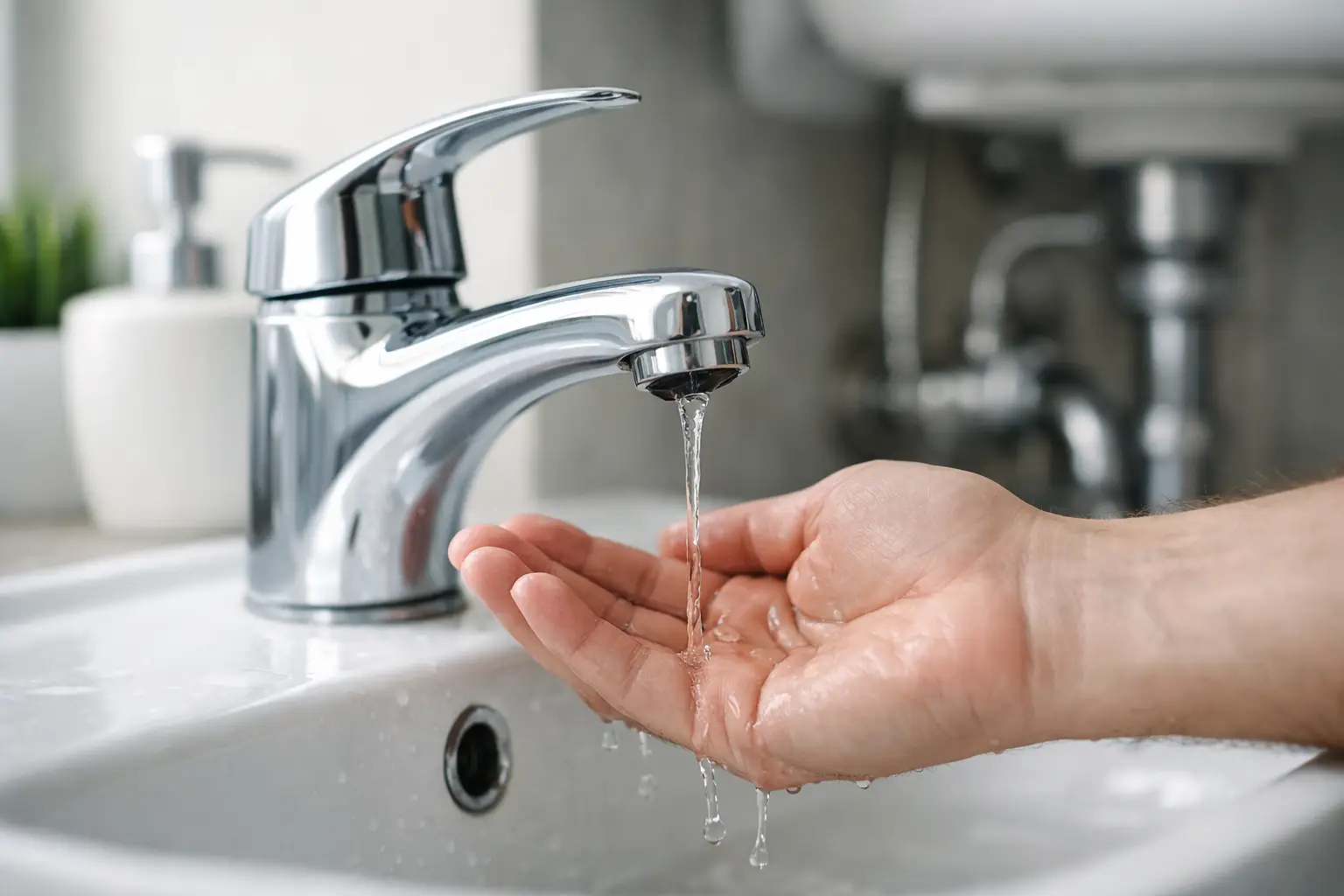
You notice it first in the shower. The stream feels weak, rinsing takes longer, and suddenly a basic task turns into a daily frustration. If you are asking what causes low water pressure, the answer can range from a simple fixture issue to a larger plumbing problem affecting the whole property.
Low water pressure is not one issue with one fix. Sometimes the problem is isolated to a single faucet. Sometimes it points to a hidden leak, a failing pressure regulator, mineral buildup, or a municipal supply problem outside the building. The right response depends on where the pressure loss starts and whether it affects one fixture, one room, or the entire system.
What causes low water pressure in a house?
The fastest way to narrow it down is to look at the pattern. If one sink has weak flow but everything else works normally, the issue is usually local to that fixture. If every tap is affected, the problem is more likely tied to the main water line, shutoff valves, pressure regulation, or the incoming supply.
That distinction matters because low pressure is often confused with low flow. Pressure is the force pushing water through the pipes. Flow is the volume of water coming out. A clogged aerator can reduce flow at one faucet without meaning the whole plumbing system has poor pressure.
In homes and commercial properties, the most common causes tend to fall into a few categories: restrictions, leaks, valve problems, corrosion, and utility-side issues. Here is how each one affects performance.
Mineral buildup inside fixtures and pipes
Hard water leaves mineral deposits behind over time. Those deposits collect in faucet aerators, showerheads, cartridges, and even sections of pipe. The result is a smaller opening for water to pass through, which means weaker output at the fixture.
This is one of the most common reasons pressure drops gradually instead of all at once. A showerhead that worked fine last year may now feel noticeably weaker because scale has narrowed the spray channels. In older plumbing, mineral buildup inside galvanized pipes can reduce interior diameter enough to affect multiple fixtures.
If the problem is limited to one faucet or shower, buildup is a likely cause. If several fixtures show the same decline and the building has older piping, the restriction may be deeper in the system. In hard water areas, recurring buildup can also signal a need to evaluate water treatment, not just plumbing repair.
Partially closed shutoff valves
A valve does not have to be fully closed to create a problem. If the main shutoff valve or the water meter valve is only partly open, the system may still deliver water, just not at normal pressure.
This often happens after plumbing work, maintenance, or an emergency shutoff. A local fixture valve under a sink can do the same thing for one faucet or toilet. The pressure drop may feel sudden, which helps separate it from slower issues like scale or corrosion.
It is a simple cause, but it is worth checking early because it can mimic more serious failures.
Hidden leaks in the plumbing system
Leaks reduce the amount of water available where you need it. If water is escaping behind walls, under floors, or underground, pressure can drop across part or all of the property.
The warning signs are not always dramatic. You might see a higher water bill, hear water moving when no fixtures are on, notice damp spots, or find that the pressure worsens over time. A significant leak on the main line can affect the whole house. A branch line leak may only impact one zone.
Leaks need prompt attention because the pressure issue is only part of the risk. Water damage, mold growth, and structural repair costs can rise quickly if the source stays hidden.
Failing pressure regulator
Many properties have a pressure-reducing valve, often called a pressure regulator, installed where water enters the building. Its job is to keep incoming pressure at a safe, consistent level. When that component fails, the symptoms can go in either direction - pressure may become too low or too high.
A failing regulator often causes whole-house changes, not isolated fixture problems. Homeowners may notice weak water from every tap, inconsistent performance between uses, or pressure that seems to shift without warning. In some cases, people report that water pressure was fine one day and poor the next.
Because a bad regulator can also stress appliances and plumbing fixtures, it is not something to ignore. Diagnosis usually requires pressure testing and a professional review of the incoming system.
Old or corroded pipes
Pipe age matters. In older buildings, especially those with galvanized steel plumbing, corrosion can build inside the pipe walls and reduce the space available for water to move. That creates resistance throughout the system and can leave fixtures with weak output.
This tends to be a gradual problem. Pressure declines over years, not hours. Some areas of the property may be worse than others depending on pipe layout and the level of interior corrosion.
The trade-off here is cost versus reliability. Spot repairs can help if one section is especially damaged, but widespread corrosion often means the system is nearing the point where replacement is more practical than repeated short-term fixes.
Problems with the municipal supply
Sometimes the plumbing inside the property is not the source. Water main work, neighborhood demand spikes, hydrant use, utility repairs, or supply interruptions can all reduce pressure temporarily.
This is more likely if the pressure drop starts suddenly and affects the entire property at once. If nearby homes or neighboring commercial spaces report the same issue, the cause may be outside the building.
Municipal supply issues usually resolve once work is complete, but not always. If pressure stays low after utility activity ends, there may be a separate property-side issue that was exposed at the same time.
Faulty fixtures and appliance connections
Not every low-pressure complaint points to the main plumbing system. Sometimes the issue is the fixture itself. A worn faucet cartridge, clogged supply line, failing fill valve, or restricted appliance inlet can reduce water delivery at one endpoint.
This is why diagnosis starts with scope. If only one shower is weak, replacing the showerhead may solve it. If the kitchen sink and dishwasher both perform poorly, they may share a local supply issue. If every fixture in the building is affected, isolated fixture repairs will not solve the root cause.
For commercial properties, fixture-specific pressure problems can also come from neglected maintenance in restrooms, break areas, and service sinks where scale builds up quietly over time.
Water softener or filtration system issues
Properties with water treatment equipment have one more category to consider. A clogged pre-filter, bypass valve issue, incorrectly configured system, or maintenance lapse in a softener or reverse osmosis setup can restrict flow.
This does not mean treatment systems are a problem by design. It means they need proper sizing, setup, and service. A neglected filter can create pressure complaints that look like plumbing trouble, while the actual fix may be maintenance on the treatment side.
That is especially relevant for homes and businesses focused on water quality. Plumbing performance and water treatment performance are connected. If one side is ignored, the other often feels the impact.
When low water pressure needs professional attention
If the problem is isolated to one fixture, a simple cleaning or part replacement may be enough. But if pressure is low throughout the property, changes suddenly, or comes with signs of leaks, discolored water, pipe noise, or rising utility costs, it is time for a professional inspection.
The goal is not just to restore stronger flow. It is to find the actual cause before the issue spreads. A pressure regulator failure, underground leak, corroded piping, or treatment-system restriction can all look similar at first. The fix depends on accurate testing, not guesswork.
For homeowners, that means less risk of paying for the wrong repair. For property managers and commercial operators, it means less downtime and fewer repeat service calls. A provider that understands both plumbing infrastructure and water treatment can usually identify the issue faster because the system is being evaluated as a whole.
Weak water pressure is easy to put off when the taps still run. But small restrictions often turn into larger repairs, and hidden system problems rarely improve on their own. If the pressure in your home or building has changed, treat it like an early warning and get it checked before a minor disruption becomes a bigger one.
Need this done in your home?
Plumingo handles this work across Kitchener, Waterloo, Cambridge and Guelph. Read how we do it, or call us and we will give you a price before we start.
Learn about all Plumingo plumbing servicesNeed a plumber in Kitchener-Waterloo?
Licensed, insured and upfront about pricing. Call us or book online in under a minute.