
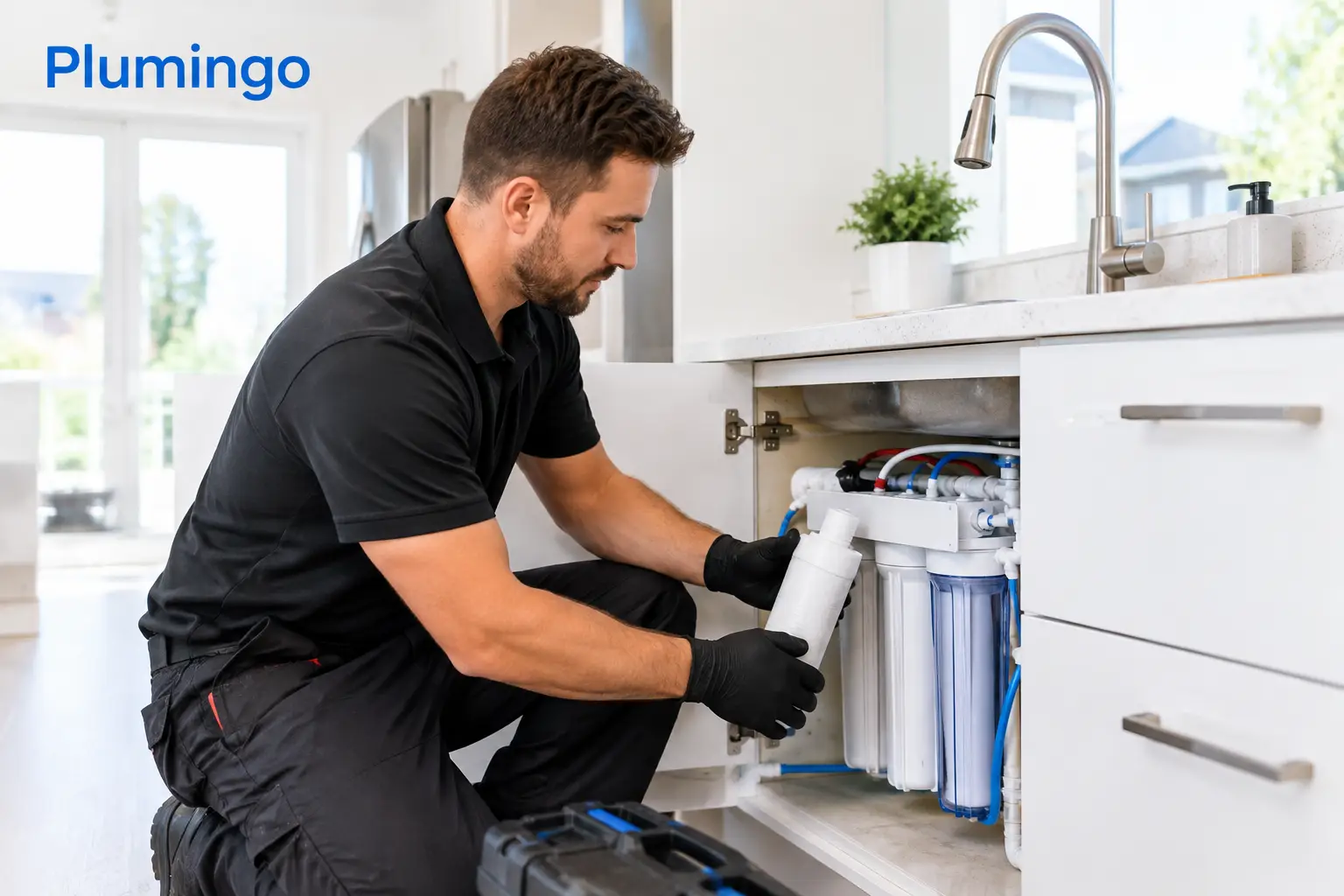
A drinking water system can look clean while still holding stagnant water, biofilm, or microorganisms inside tubing, tanks, filter housings, and faucets. That is why knowing how to sanitize drinking water systems is different from simply changing a filter. Sanitizing is a controlled process that cleans the parts water touches, applies an approved disinfectant, and flushes the system thoroughly before it returns to service.
For homeowners, property managers, and commercial operators, the right method depends on the equipment installed. A reverse osmosis system, water softener, well supply, storage tank, and under-sink filter each have different components and limits. Start with the manufacturer’s instructions whenever they are available. They take priority over any general procedure.
When a drinking water system should be sanitized
Sanitization is usually part of planned maintenance, not a task to perform every time a filter cartridge is replaced. It is often appropriate after a new system installation, a lengthy shutdown, plumbing work that opened potable-water lines, flooding near equipment, or confirmed bacterial contamination.
It can also make sense when water has been sitting unused in a seasonal property, vacant suite, rental unit, or low-use commercial area. Stagnant water gives microorganisms more opportunity to grow on internal surfaces, especially in warm spaces and sections with low flow.
A change in taste or odor does not automatically mean the system needs sanitizing. Chlorine-like, metallic, sulfur, or musty odors can come from the source water, a failing filter, drain plumbing, a water heater, or other causes. If the concern is persistent, identify the source before adding disinfectant. Sanitizing an RO unit will not correct a water-quality issue entering from the main supply.
Prepare the system before disinfecting
Read the instructions for every device connected to the drinking-water line. This matters because activated-carbon media removes chlorine, while chlorine can damage many RO membranes. If an RO system is being sanitized, carbon prefilters and the membrane generally need to be removed or isolated according to the manufacturer’s procedure before disinfectant enters the housing and tubing.
Turn off the water supply to the unit and unplug equipment that should not run dry. Relieve pressure at the dedicated drinking-water faucet. Have clean replacement filters, approved sanitizer, gloves, a bucket, and towels ready before opening any housings.
Use only products intended for potable-water applications or a disinfectant specifically approved by the equipment manufacturer. If household bleach is specified, it must be plain, unscented sodium hypochlorite without added cleaners, fragrances, gels, or color-safe ingredients. Bleach strengths vary, so the correct amount is not universal. Follow the system manual or the product label for the required concentration and contact time.
Never mix chlorine products with vinegar, ammonia, acids, drain cleaners, or any other chemical. Mixing cleaning chemicals can create hazardous fumes. Use ventilation, protect surrounding finishes, and keep disinfectant away from food-preparation surfaces.
How to sanitize drinking water systems step by step
The sequence is straightforward: clean accessible parts first, introduce the approved disinfectant, allow contact time, then flush until no disinfectant remains. Rushing the final flush is one of the most common mistakes.
Clean housings, tanks, and removable parts
Remove filter housings and discard spent cartridges. Wash housings, caps, O-rings, and any removable screens with clean water and a mild dish soap if the manufacturer allows it. This step removes sediment and surface buildup that can shield microorganisms from the disinfectant.
Inspect O-rings for flattening, cracks, or tears. A damaged O-ring is inexpensive compared with the inconvenience and water damage from a leak. Lubricate it only with a food-grade lubricant that is compatible with the system, then reinstall it in the correct groove.
Do not try to sanitize and reuse filter media that is designed to be replaced. Sediment cartridges, carbon blocks, and many specialty filters should be changed at their scheduled interval. Sanitization cleans the equipment around them; it does not restore exhausted filtration media.
Apply the approved sanitizer
Reassemble the empty housings or install the manufacturer-provided bypass components. Add the approved disinfectant in the prescribed amount, restore water slowly, and check every connection for leaks.
Open the dedicated faucet until disinfectant-treated water reaches the line. Depending on the system, you may also need to open a refrigerator dispenser, ice-maker feed, secondary faucet, or point-of-use outlet served by the same equipment. For systems with a storage tank, allow the tank and connected tubing to fill as directed.
Then close the faucets and let the solution sit for the required contact period. More chemical or more time is not always better. Excess disinfectant can damage sensitive components, leave difficult odors, and create unnecessary wear on seals and membranes.
Flush completely before use
After the contact time has passed, flush the system with fresh water according to the equipment instructions. Run water to drain in intervals if the system produces water slowly. For RO units, this may mean filling and emptying the storage tank more than once before installing the new membrane and carbon filters.
Continue flushing until the disinfectant odor is gone. Do not use the water for drinking, cooking, pets, ice, or food preparation until the system has been fully flushed. If a chlorine odor remains after the recommended flushing process, continue flushing or contact a qualified water-treatment technician before returning the system to normal use.
Once the water is clear of disinfectant, install new filters and membranes as required. Reset service indicators, note the date of the work, and inspect the system again after it has been pressurized for several hours.
Special considerations for common systems
An under-sink filter is usually the simplest system to sanitize because it has short tubing runs and no storage tank. Even so, the faucet, housing, and supply line all need attention. Replacing the cartridge alone leaves the rest of the water path untreated.
Reverse osmosis systems need more care. Carbon filters protect the membrane from chlorine during normal operation, but that also means they can prevent disinfectant from reaching parts of the system during sanitization. Follow the exact RO procedure for your model, particularly when removing the membrane, sanitizing the tank, and reinstalling components.
Water softeners are not typically sanitized in the same way as point-of-use drinking-water filters. Many units have a dedicated sanitizer or resin-cleaner procedure. Using the wrong product can harm resin, seals, or control valves. If the softener serves a building with a suspected contamination concern, the whole plumbing system may require a broader assessment.
UV systems disinfect water passing through the chamber but do not sanitize pipes, faucets, or storage equipment downstream. During maintenance, clean or replace the quartz sleeve and lamp as specified. If the system has been idle or opened for service, sanitize the related plumbing components as recommended.
When testing and professional service are the better choice
Sanitization is a maintenance procedure, not a substitute for water testing. If a private well, cistern, or building supply has tested positive for bacteria, investigate the source. Surface water entry, a damaged well cap, cross-connections, plumbing repairs, or an issue with the source itself may need correction before disinfection will hold.
Whole-building and commercial systems also require careful planning. Disinfectant must reach all relevant lines, while sensitive equipment, water heaters, ice machines, beverage equipment, and backflow assemblies may need to be isolated. Occupants and staff must know when water is unavailable for use. In these settings, documented procedures and post-service testing may be appropriate.
For Kitchener-area homes and businesses with RO filters, softeners, or complex drinking-water equipment, Plumingo can help determine whether the issue calls for routine sanitization, a filter service, a repair, or water-quality testing. The practical goal is not to treat every concern as the same problem. It is to restore clean, dependable water with the right level of service.
How often should a drinking water system be sanitized?
Follow the manufacturer’s schedule, usually during major filter service, after installation, or after an event that may have introduced contamination. A system in regular use with timely filter changes may not need frequent sanitization. A seasonal or low-use system may need it more often.
Can I use vinegar to sanitize a drinking-water filter?
Vinegar can help remove some mineral scale from certain parts, but it is not a reliable disinfectant for sanitizing a drinking-water system. Use an approved potable-water disinfectant and never combine vinegar with bleach or chlorine-based products.
Does boiling water sanitize the plumbing system?
No. Boiling can treat a small amount of water for temporary use, but it does not clean internal filter housings, tubing, storage tanks, or faucets. It also does not address the cause of a contamination issue.
Keep a simple service record for every drinking-water system: installation date, filter changes, sanitization dates, test results, and repairs. That record makes routine care easier and gives you a clearer starting point if water quality ever changes.
Need this done in your home?
Plumingo handles this work across Kitchener, Waterloo, Cambridge and Guelph. Read how we do it, or call us and we will give you a price before we start.
Learn about reverse osmosis and water filtrationNeed a plumber in Kitchener-Waterloo?
Licensed, insured and upfront about pricing. Call us or book online in under a minute.