
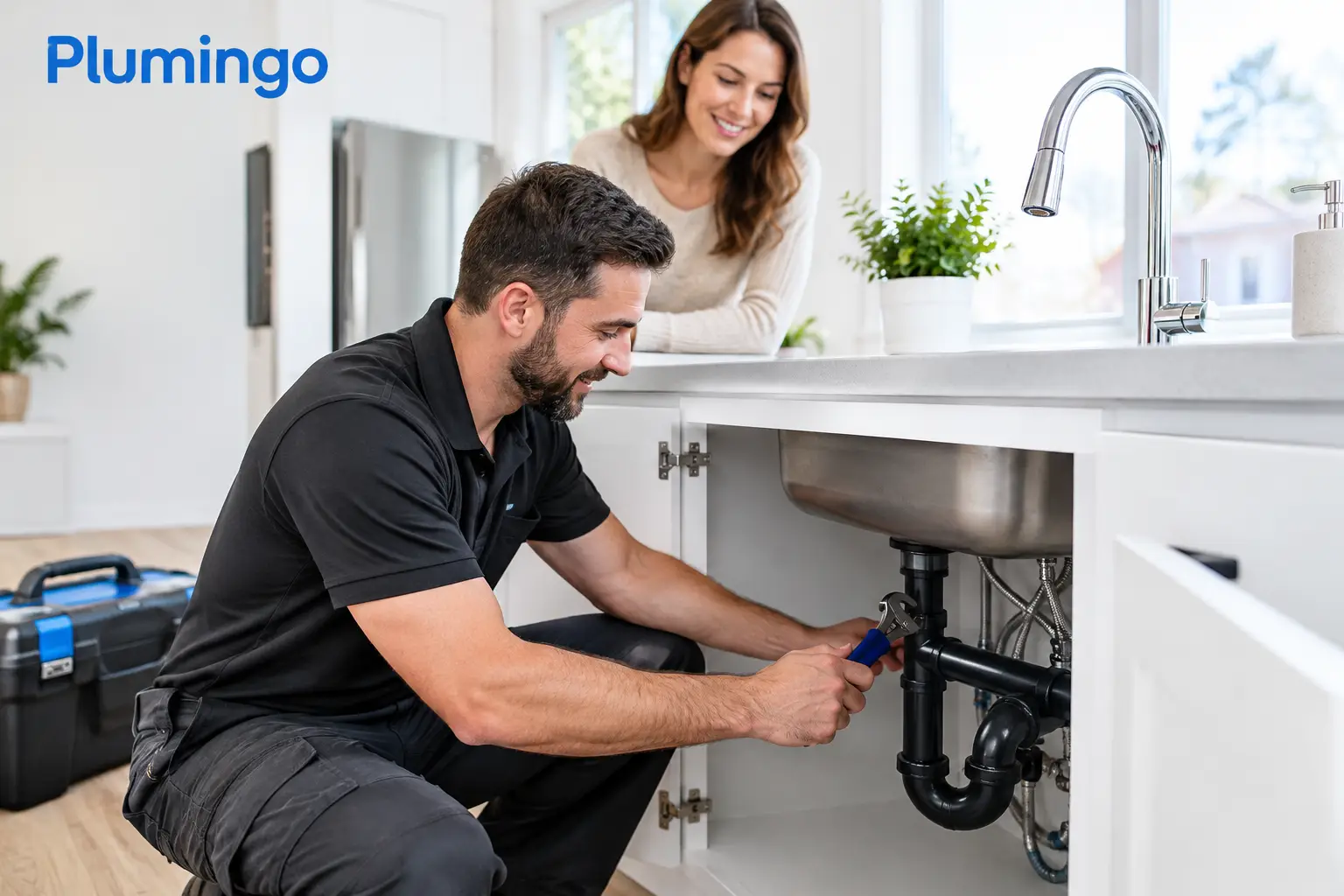
A slow drain in a staff washroom, a toilet that keeps running overnight, or a small cabinet leak can waste far more water than most property owners expect. The best plumbing maintenance tips focus on catching those everyday warning signs early, protecting water quality, and knowing when a qualified technician should take over.
For homeowners, a practical maintenance routine helps protect comfort and avoid disruption. For property managers and commercial operators, it supports cleaner facilities, more predictable operating costs, and fewer surprises during busy hours. The goal is not to replace every aging part. It is to inspect systems regularly, make sensible repairs, and keep essential equipment working as intended.
Best Plumbing Maintenance Tips to Start With
Know where the main shutoff valve is
Every homeowner, site manager, and designated staff member should know how to shut off the main water supply. In many homes, the valve is near the water meter, mechanical room, basement wall, or where the main line enters the building. Commercial properties may have more than one shutoff serving separate areas or equipment.
Test that the valve can be turned without forcing it. A valve that is stiff, corroded, or difficult to access deserves attention before there is a leak. Keep the area around it clear, and make sure key staff know its location. Fast access can limit water damage when a supply line, fixture, or appliance connection fails.
Check visible plumbing for small changes
A brief monthly walk-through can reveal problems before they become disruptive. Look under sinks, around toilets, near water heaters, and at exposed pipe connections. Watch for moisture, staining, corrosion, mineral buildup, peeling cabinet finishes, or a musty smell.
Not every spot means an active leak. Condensation can form on cold pipes in humid spaces, and minor surface discoloration may be old. Still, it is worth monitoring any change. A dry paper towel wiped around a fitting can help confirm whether moisture is fresh.
Pay particular attention to toilet bases and supply lines. A toilet should sit firmly on the floor and should not rock when used. Water near the base, loose mounting, or recurring odors can point to a seal or drain connection issue that should be assessed promptly.
Treat drains gently and consistently
Drains are designed to carry water and ordinary wastewater, not grease, food scraps, wipes, or heavy debris. In kitchens, allow cooking grease to cool in a container before placing it in the trash. Even products labeled as flushable can create blockages, especially in older pipes or buildings with high fixture use.
Use sink strainers in kitchens, bathrooms, and utility sinks where practical. Empty them regularly rather than letting debris get pushed deeper into the line. For bathroom sinks and showers, remove visible hair from stoppers and drain covers before it accumulates.
Chemical drain cleaners are not a long-term maintenance plan. Some products can be hard on certain pipes, seals, and fixtures, particularly when used repeatedly or left sitting in a blocked drain. If a drain clogs more than once, drains slowly throughout the property, or makes gurgling sounds, the underlying cause should be identified instead of repeatedly treated at the surface.
Test toilets for silent water loss
A toilet that runs intermittently can waste a meaningful amount of water without making much noise. Add a small amount of food coloring to the tank, wait about 15 minutes without flushing, and check the bowl. If color appears in the bowl, water is passing through the flapper or flush valve.
Many toilet issues can be repaired with correctly matched components. The best choice depends on the toilet model, the condition of the fill valve, and whether mineral buildup is affecting operation. Avoid over-tightening connections or making adjustments that cause the toilet to run continuously.
In commercial restrooms, inspect flush valves, sensor-operated fixtures, and exposed supply connections as part of a scheduled facility walk-through. A fixture that continues running after use should be addressed quickly, both for water conservation and user comfort.
Protect Pipes Through Seasonal Changes
Cold weather creates a different maintenance priority. Before temperatures drop, disconnect garden hoses, close and drain outdoor faucets if the property has shutoff valves, and protect exposed piping in unheated garages, crawl spaces, or utility areas. Insulation is especially useful where pipes run near exterior walls or where cold air enters around openings.
During extended cold periods, maintain reasonable indoor heat, including in vacant spaces. Opening cabinet doors beneath sinks can help warmer room air reach plumbing installed on exterior walls. If a pipe freezes, do not use an open flame to thaw it. A qualified plumber can assess the safest approach, particularly if there is any sign of cracking or leakage.
Spring and summer bring their own checks. Inspect outdoor spigots for drips after the first use of the season, look for pooling around hose connections, and make sure landscape drainage is not directing water toward the foundation. Heavy rain does not cause every sewer backup, but drainage conditions, older infrastructure, and building layout can all affect risk.
Maintain Water Heaters With the Right Expectations
Water heaters work hard in homes, multi-unit buildings, restaurants, offices, and other facilities. Look around the unit periodically for water on the floor, corrosion at fittings, unusual noise, or changes in hot-water recovery. If hot water runs out sooner than normal, fluctuates in temperature, or appears discolored, schedule an assessment.
Tank maintenance can include checking temperature settings, inspecting the pressure relief valve, and managing sediment where appropriate. However, the right service approach depends on the heater's age, fuel type, local water conditions, and manufacturer requirements. Draining or flushing an older tank without assessing its condition first may not always be the best decision.
A temperature setting around 120 degrees Fahrenheit is commonly used in residential settings to balance comfort, energy use, and scald prevention. Some commercial applications require different settings for operational or health-code reasons. Property managers should confirm the correct standard for their building and use mixing controls where needed.
Keep Water Treatment Equipment on Schedule
Plumbing maintenance and water quality maintenance often overlap. A neglected water softener can leave scale on fixtures and reduce appliance efficiency. An overdue reverse osmosis filter can affect taste, flow, and the quality of filtered water.
Follow the service schedule for your specific equipment rather than using a one-size-fits-all timeline. Filter life depends on household or facility water use, incoming water quality, and the type of system installed. Signs that merit attention include reduced filtered-water flow, changes in taste or odor, visible scale, salt bridging in a softener tank, or equipment alarms.
Do not assume that every water quality concern requires new equipment. Sometimes the solution is a filter change, system cleaning, adjustment, repair, or a water assessment to identify the actual cause. Clear diagnosis helps avoid unnecessary work and keeps the treatment system aligned with the property's needs.
Give Commercial Plumbing a Documented Routine
Commercial properties benefit from a simple maintenance log. Record fixture issues, drain clearing dates, water heater observations, filter changes, and recurring tenant or staff reports. Patterns are useful. For example, repeated clogs in one restroom may point to a fixture-specific issue, user behavior, or a developing drain-line restriction.
High-use equipment deserves added attention. This can include kitchen sinks, mop basins, employee restrooms, water dispensers, utility rooms, and any plumbing connected to production or customer service. Maintenance should be planned around operating hours where possible, but a recurring issue should not be postponed simply because the fixture is still usable.
Know When Professional Service Is the Sensible Next Step
Some tasks are appropriate for routine property care, such as cleaning strainers, checking for visible moisture, and protecting outdoor faucets. Other concerns need professional diagnosis. These include recurring clogs, low water pressure affecting multiple fixtures, visible pipe corrosion, sewer odors, water heater performance changes, unexplained increases in water use, and any leak behind walls or ceilings.
A professional visit should provide clarity, not pressure. Ask what is causing the issue, what repair options are available, and whether there is a maintenance step that can reduce recurrence. For homes and businesses in Kitchener, Plumingo can support scheduled plumbing and water treatment service with clear recommendations and transparent pricing.
The most useful maintenance habit is simple: act on small changes while they are still small. A quick inspection, a timely repair, or a scheduled filter service can protect the systems your property relies on every day.
Need this done in your home?
Plumingo handles this work across Kitchener, Waterloo, Cambridge and Guelph. Read how we do it, or call us and we will give you a price before we start.
Learn about all Plumingo plumbing servicesNeed a plumber in Kitchener-Waterloo?
Licensed, insured and upfront about pricing. Call us or book online in under a minute.