
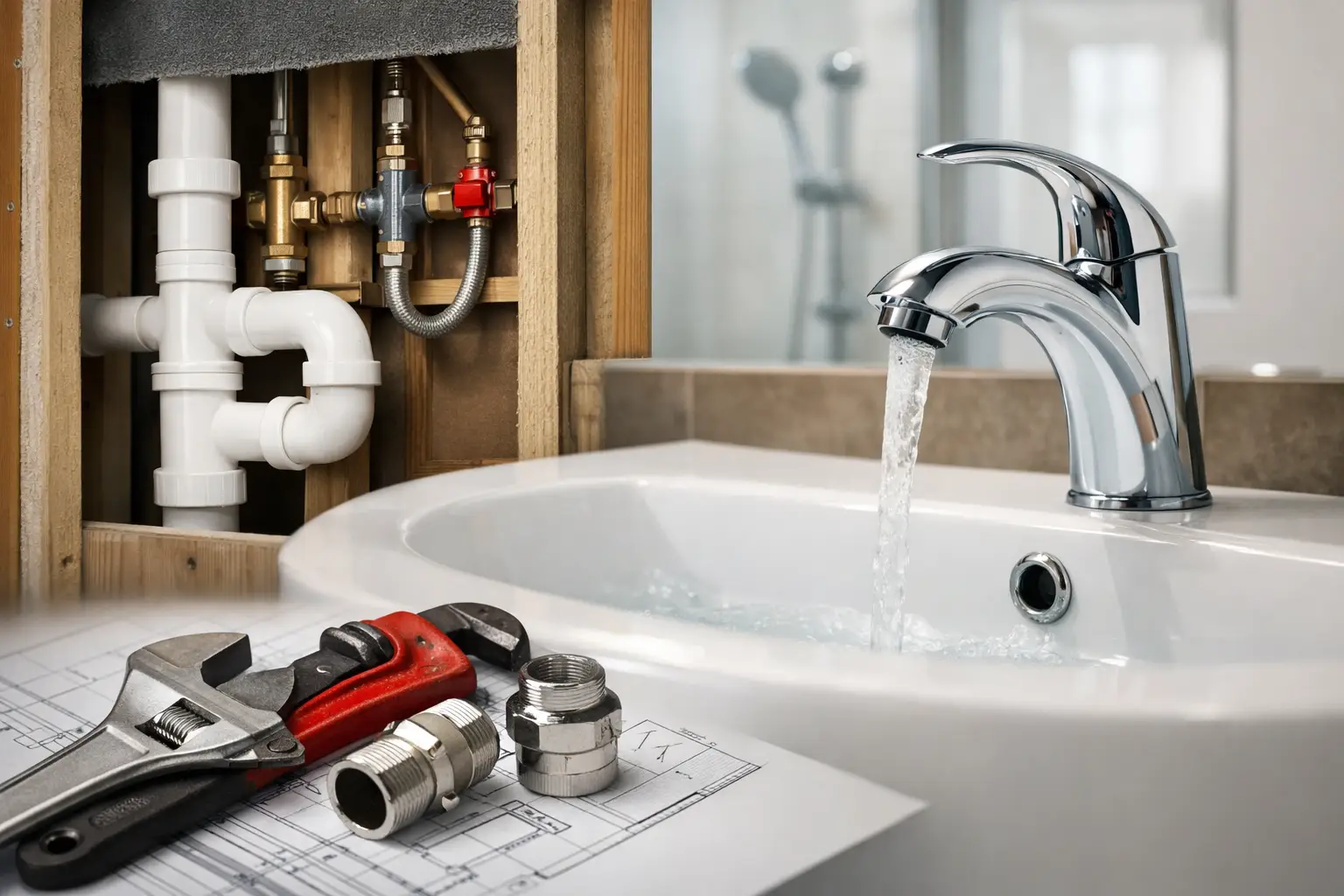
A plumbing problem rarely starts where you first notice it. The drip under the sink, the slow shower drain, or the drop in water pressure is usually a symptom of a larger system doing exactly what it was designed to do - or failing at one point along the way. That is why residential plumbing systems explained in plain language can help homeowners make faster, better decisions before minor issues turn expensive.
Most homes rely on a connected network that brings in clean water, moves wastewater out, heats water for daily use, and in many cases improves water quality before it reaches fixtures and appliances. When one part underperforms, the effects can spread. A worn shutoff valve may seem isolated until it prevents a quick response to a leak. Hard water may look like a cosmetic issue until scale starts shortening the life of a water heater.
How residential plumbing systems work
At a basic level, a residential plumbing system has two jobs. It delivers fresh water under pressure, and it removes wastewater safely and efficiently. Those two sides work separately, but they depend on each other more than most homeowners realize.
The supply side brings water into the home through a main line. From there, it branches to sinks, toilets, showers, dishwashers, washing machines, and outdoor hose bibs. Pressure is what makes this side function. If pressure drops, the cause could be municipal supply issues, aging pipes, mineral buildup, a failing pressure regulator, or a localized blockage.
The drain side works differently. It does not rely on pressure from the incoming water line. Instead, it uses gravity, pipe slope, and venting to move wastewater out of the home. Every fixture connects to a drain line, and those lines lead to a larger building drain that carries waste to the sewer or septic system. If that slope is wrong, if venting is restricted, or if a blockage forms in the main line, the system starts showing stress fast.
The clean water side of the system
Water enters the home through the main shutoff and usually passes through a meter, depending on the property setup. Once inside, the line splits into cold and hot water distribution. Cold water goes directly to fixtures and appliances. Hot water routes through the water heater first and then continues to faucets, showers, and any other hot water outlets.
Pipe material matters here. Older homes may still have galvanized steel or polybutylene, both of which can present reliability concerns. Copper remains common and durable, while PEX is now widely used because it is flexible, efficient to install, and performs well in many residential applications. There is no perfect material for every house. Age, water chemistry, local code, and installation quality all affect long-term performance.
Valves are another critical part of the supply system. Main shutoffs, fixture shutoffs, pressure-reducing valves, and backflow prevention components are not flashy, but they control risk. When they fail or are missing, a simple repair can become a much larger disruption.
Water pressure and flow are not the same thing
Homeowners often use these terms interchangeably, but they are different. Pressure is the force pushing water through the system. Flow is the volume of water moving through it. You can have decent pressure and poor flow if there is buildup inside pipes or a partially closed valve. You can also have strong flow at one fixture and poor performance elsewhere if the system is not balanced or demand is too high at peak times.
That distinction matters because the right fix depends on the actual cause. Replacing a faucet will not solve a whole-home pressure issue, and a new pressure regulator will not clear a blocked branch line.
The drainage and vent system
The drainage side is where many hidden plumbing problems begin. Every sink, shower, tub, toilet, and floor drain sends wastewater into drainpipes that slope downward toward the main line. Traps under fixtures hold a small amount of water to block sewer gas from entering the home. Vents allow air into the drainage system so wastewater can flow freely without creating suction problems.
When vents are obstructed, drains may gurgle, toilets may bubble, and water may empty slowly even when there is no direct clog at the fixture. When the main drain is blocked, symptoms often appear at the lowest fixtures first, such as basement drains or first-floor showers. That is one reason recurring backups should never be treated as a simple inconvenience.
Drain materials also vary by age of home. Cast iron can be quiet and durable but may corrode over time. ABS and PVC are common in many newer or updated systems. The right repair depends on the condition of the line, location of the problem, and whether the issue is isolated or part of broader pipe deterioration.
Water heaters are a central part of plumbing performance
Many people think of the water heater as a separate appliance, but it is central to the plumbing system. If it is undersized, scaled, leaking, or nearing failure, the effect reaches multiple fixtures at once.
Traditional tank water heaters store and heat a set volume of water. They are simple and effective, but recovery time and storage limits matter in larger households. Tankless systems heat water on demand and can improve efficiency, but they depend on proper sizing, clean heat exchangers, and stable installation conditions. In hard water areas, mineral scale can reduce performance in either setup.
Warning signs usually show up before failure. Inconsistent hot water, popping sounds from the tank, discolored water, or moisture around the unit all deserve attention. Waiting for a full breakdown often means added water damage and less control over replacement timing.
Residential plumbing systems explained through water quality
A plumbing system does more than move water. It also affects the quality of the water your household uses every day. That matters for taste, appliance lifespan, fixture condition, and in some cases skin comfort and cleaning performance.
Hard water is one of the most common residential concerns. It leaves spotting, builds scale inside pipes and heaters, and reduces soap efficiency. A water softener addresses hardness, but sizing and settings matter. An oversized or poorly adjusted unit can waste salt and water, while an undersized one may not keep up with demand.
Reverse osmosis systems serve a different purpose. They are typically used to reduce specific contaminants at the point of use, often for drinking water. They do not replace the full plumbing system, and they are not the answer to every water issue. The right treatment setup depends on the water source, the actual quality concerns, and the goals of the household.
For homeowners, this is where plumbing and water treatment overlap. A house may have no visible leaks and still have system-level issues affecting performance and water quality. That is part of the reason premium service providers increasingly handle both.
Common weak points homeowners should know
Most plumbing emergencies are not random. They tend to develop around known failure points such as aging supply lines, worn fixture connections, neglected drains, failing sump pumps, old water heaters, and shutoff valves that have not been exercised in years.
Seasonal conditions can also change risk. In colder climates, exposed or poorly insulated pipes become vulnerable to freezing. In older homes, small cracks or loose joints may only become obvious when demand spikes or temperatures shift. Property managers often see this firsthand because one small issue can quickly affect multiple units or occupied spaces.
The trade-off with proactive maintenance is cost today versus uncertainty later. Not every older valve needs replacement immediately, and not every slow drain means the main line is failing. But if the same issues keep returning, patchwork repairs usually stop being the most economical option.
When repair is enough and when replacement makes more sense
This depends on age, material, accessibility, and the pattern of failures. A single leaking faucet cartridge is a simple repair. Repeated pinhole leaks in aging lines suggest a bigger conversation. Likewise, clearing one isolated clog is routine. Repeated backups in multiple fixtures often point to a system-level drainage problem.
Good plumbing decisions are rarely based on one symptom alone. They come from looking at the condition of the full system, the urgency of the issue, and the likely cost of repeat service. Transparent pricing matters here because homeowners should be able to compare short-term fixes with longer-term value without guesswork.
What professional assessment adds
Residential plumbing systems explained on paper can help you understand the basics, but diagnosis in the field is where details matter. Two homes with the same symptom may need completely different solutions. Pipe material, water pressure, fixture count, renovation history, and water quality all change the answer.
A professional assessment should identify the actual point of failure, not just the visible result. It should also clarify urgency. Some issues can be scheduled. Others need immediate response to limit damage and restore safe operation. For homeowners who want fewer surprises, that clarity is as valuable as the repair itself.
Plumbing works best when it is quiet, consistent, and easy to ignore. If your home is giving you signals that something is off, treat them early. The right fix at the right time protects more than pipes - it protects water quality, daily comfort, and the systems your home depends on.