
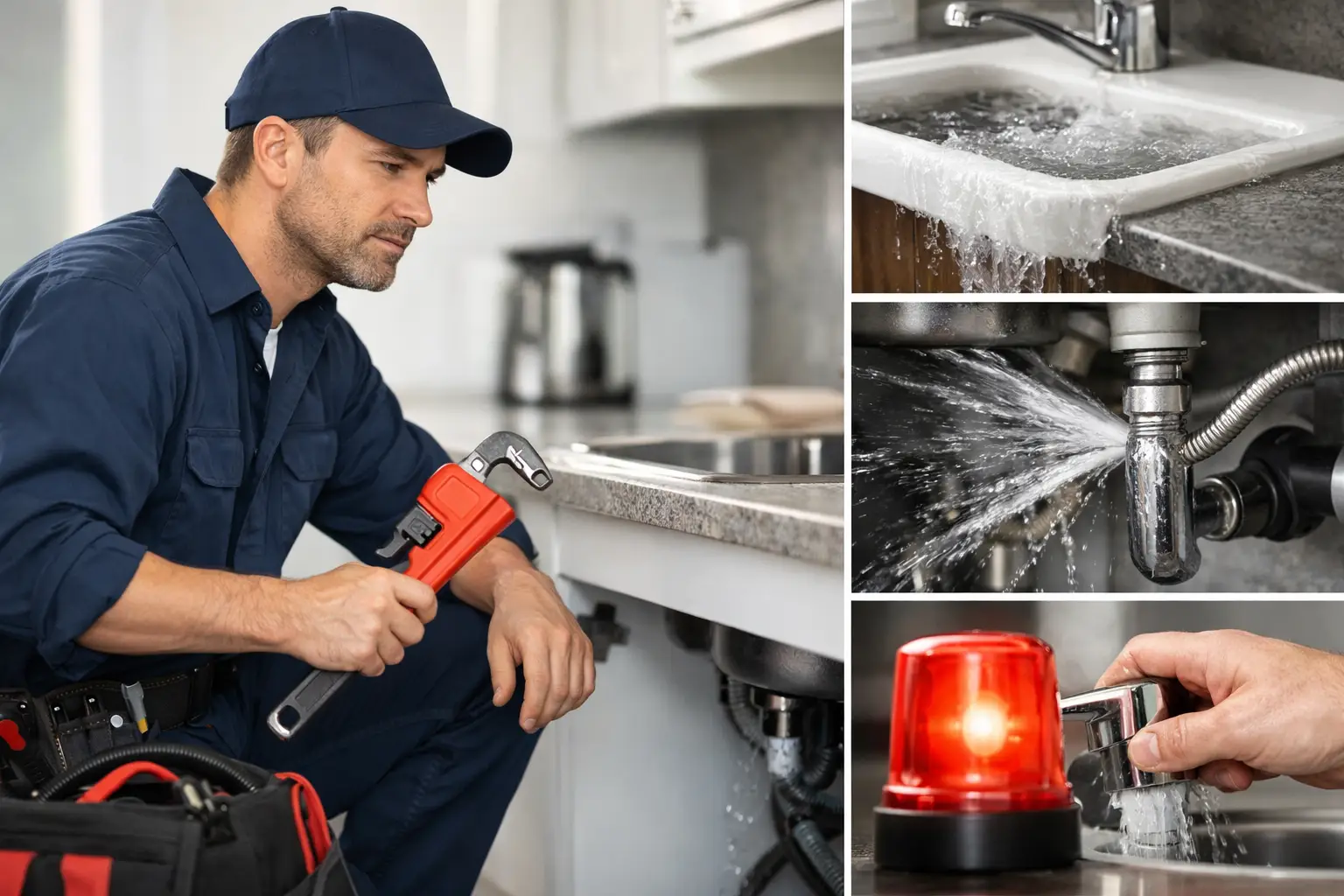
A small leak at 10 a.m. is inconvenient. The same leak at 2 a.m., spreading into drywall and flooring, is a different problem entirely. One of the main reasons to call emergency plumber service is simple - some plumbing issues get expensive fast, and waiting until regular business hours can turn a repair into a major restoration project.
For homeowners, property managers, and business operators, the real question is not whether a plumbing issue is annoying. It is whether it threatens safety, sanitation, property, or daily operations. When the answer is yes, emergency service is the right call.
Reasons to call emergency plumber service right away
Not every plumbing problem needs an after-hours response. A dripping faucet or slow drain can usually wait for a scheduled visit. But certain failures create immediate risk, and those are the situations where urgent service protects both the building and the people inside it.
1. A burst pipe is flooding the property
A burst pipe is one of the clearest emergencies in plumbing. Water can move through walls, ceilings, insulation, flooring, and electrical areas within minutes. In cold-weather regions, frozen pipes are a common cause, but aging materials, corrosion, and sudden pressure changes can also trigger a break.
If a pipe has burst, the first priority is shutting off the main water supply if it is safe to do so. After that, emergency plumbing service matters because the issue is no longer just a pipe repair. It is damage control. Fast intervention can limit structural damage, mold risk, and business interruption.
2. Sewer backup is coming into sinks, tubs, or floor drains
Sewer backups are not just unpleasant. They are a health hazard. Wastewater entering a home or commercial space can contaminate surfaces and make bathrooms, kitchens, and utility areas unsafe to use.
This is one of the strongest reasons to call emergency plumber support immediately. The longer a backup sits, the greater the sanitation risk and cleanup cost. In multi-unit buildings or commercial properties, the impact can spread quickly beyond one room or tenant space.
3. There is no water where you should have it
A sudden loss of water can point to several problems, including a major leak, a frozen line, a supply issue inside the building, or a hidden failure affecting multiple fixtures. If only one faucet is affected, it may be localized. If the entire property has lost water and the issue is not municipal, that is more serious.
For homes, no water disrupts cooking, cleaning, bathing, and sanitation. For businesses, it can stop operations altogether. Restaurants, offices, retail spaces, and managed properties often cannot function normally without a stable water supply. An emergency plumber can determine whether the problem is internal, isolate the issue, and restore service faster.
4. A water heater is leaking or has failed suddenly
A leaking water heater can cause both water damage and equipment failure. In some cases, the leak is small and isolated to a valve or connection. In others, the tank itself is compromised, which usually means replacement is close.
A full loss of hot water may not always be a middle-of-the-night emergency for every household. It depends on the season, the severity, and the property type. But if the unit is actively leaking, making loud popping sounds, or showing signs of pressure trouble, quick service is the safer choice. In commercial settings, a failed water heater often becomes urgent much faster because it affects customer service, cleaning standards, and facility operations.
5. A major drain clog is causing overflow
A single slow sink can often wait. A toilet that is overflowing, a floor drain pushing water back into a basement, or multiple drains clogging at once usually cannot. These signs often point to a larger blockage deeper in the system.
The trade-off here is straightforward. Waiting may seem practical if the water eventually drains, but recurring or active overflow usually means the blockage is not resolved. Emergency service helps prevent contaminated water, fixture damage, and repeated flooding.
6. The toilet will not stop running or overflowing
A constantly running toilet is often treated as a minor issue, but that depends on the cause. If it is wasting water without overflowing, it may be urgent but not necessarily an emergency. If it is overflowing and cannot be controlled with a shutoff valve, the problem changes immediately.
In homes with one bathroom, the loss of a functioning toilet can be more urgent than it sounds. In commercial buildings, restaurants, and tenant properties, it can affect health standards and occupancy. When a toilet issue creates active flooding or removes essential function from the property, emergency response is justified.
7. There are signs of a hidden leak behind walls or under floors
Not every emergency is dramatic. Sometimes the warning signs are subtle at first - a sudden drop in water pressure, stained drywall, warped flooring, bubbling paint, or the sound of running water when no fixture is on. These issues can point to a concealed leak already causing damage.
This is where experience matters. A hidden leak can continue for hours or days before becoming visible enough to force attention, and by then the repair may involve more than plumbing. If water is moving inside the structure, fast diagnosis is often the difference between a contained repair and a broader restoration job.
When the emergency is about safety, not just water
Some plumbing problems cross into safety concerns immediately. That is especially true when water interacts with electricity, when wastewater is involved, or when a failure affects vulnerable occupants such as children, seniors, tenants, or customers.
8. The issue could damage electrical systems or critical equipment
Water near electrical panels, outlets, appliances, server rooms, or mechanical equipment raises the stakes. A leak under a sink is one thing. Water moving through a ceiling toward lighting, wiring, or commercial equipment is another.
In these cases, a rapid response is about more than convenience. It is about reducing the risk of equipment loss, operational downtime, and unsafe conditions. Property managers and commercial operators, in particular, benefit from treating these incidents early rather than waiting for visible failure.
9. The property cannot operate normally until it is fixed
This is often the deciding factor for businesses and managed properties. Even if the problem does not look dramatic, it may still qualify as an emergency if it disrupts essential use of the building. A restaurant without working sinks, an office with a backed-up restroom, or a rental property with active leakage all require prompt professional attention.
For residential customers, the same principle applies when the issue affects essential daily living. If occupants cannot safely use water, drains, toilets, or hot water systems, waiting can create more stress and more damage.
How to tell if it can wait until regular hours
A useful rule is to ask three questions. Is water actively causing damage? Is health or safety affected? Is the property unable to function normally? If the answer to any one of these is yes, emergency plumbing service is usually the right choice.
If the issue is isolated, slow-moving, and controllable, scheduling a standard appointment may be more practical. That can include minor drips, a single fixture with reduced pressure, or a drain that is slow but not backing up. The goal is not to treat every plumbing issue as urgent. It is to recognize the ones that carry real risk.
Why fast response matters more than DIY in an emergency
In a true plumbing emergency, time matters more than trial and error. Temporary DIY steps like shutting off a fixture valve, turning off the main supply, or containing water with towels and buckets can help reduce damage. But they do not solve the root problem.
Professional emergency service brings accurate diagnosis, proper isolation of the issue, and a repair plan that matches the scale of the failure. That is especially important when the problem involves hidden leaks, sewer lines, water heaters, or system-wide pressure issues. A premium provider such as Plumingo also adds value through transparent pricing and 24/7 access, which helps customers act quickly without added uncertainty.
The best time to call is before the damage spreads, not after. When water is moving where it should not, sanitation is compromised, or the property cannot operate as it should, fast action is the smart decision.