
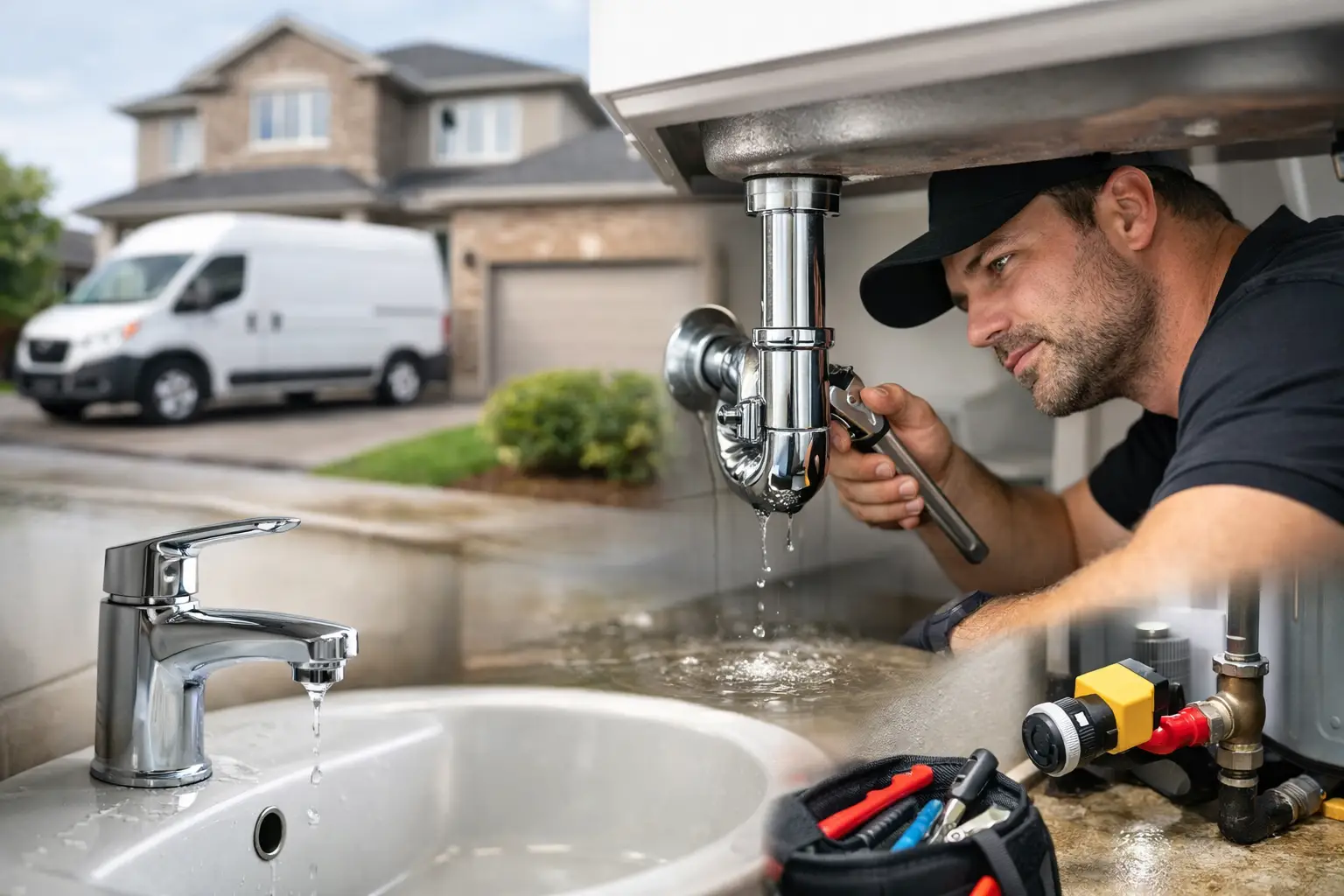
A plumbing problem rarely begins with a dramatic failure. More often, it starts with a toilet that runs longer than usual, a drain that clears slowly, a water heater that takes longer to recover, or a change in the taste of drinking water. Professional plumbing services help homeowners and commercial operators address these early signals before they affect comfort, operations, or the condition of the property.
The right service is not always a replacement or a large project. A qualified technician should identify the source of the issue, explain the appropriate repair or maintenance option, and provide clear pricing before work begins. That approach protects the system, the budget, and the confidence of the person responsible for the property.
What Plumbing Services Should Cover
Plumbing is the system behind nearly every daily routine: cooking, cleaning, bathing, sanitation, heating water, and delivering safe drinking water. For homes, the priority is usually convenience, reliability, and water quality. For businesses and managed properties, downtime, tenant comfort, health requirements, and recurring maintenance often add another layer of responsibility.
A complete provider should be equipped to handle both immediate repairs and planned system care. This can include leak diagnosis, fixture repairs, drain concerns, toilet and faucet service, pipe repairs, water heater support, and appliance connections. It should also extend to water treatment where needed, including reverse osmosis filtration and water softener service.
That range matters because a symptom does not always point to a single issue. Low water pressure, for example, may be caused by a fixture, a partially closed valve, mineral buildup, a filtration component, or a broader supply concern. A careful assessment prevents guesswork and keeps the work focused on what the system actually needs.
When to Schedule Service Instead of Waiting
Not every plumbing concern requires an urgent visit, but small changes deserve attention. Scheduling service early often gives property owners more choices and can reduce the chance that a manageable repair turns into water damage or a business interruption.
Watch for persistent dripping, recurring clogs, uneven water pressure, discolored water, unusual pipe noises, moisture around fixtures, or a noticeable increase in water use. A single slow drain may be a localized issue. Several slow drains at once can indicate a larger drainage concern and are worth assessing promptly.
Water heaters also benefit from early attention. Reduced hot-water capacity, temperature inconsistency, rumbling sounds, and visible corrosion are all reasons to arrange an inspection. The correct solution depends on the unit's condition, its age, local water conditions, and the building's hot-water demand. Repair is often sensible when a specific component has failed and the overall unit remains in good condition. Replacement may be more practical when repairs are recurring, performance has declined significantly, or the equipment no longer meets the property’s needs.
For commercial properties, maintenance scheduling is especially valuable. A leaking restroom fixture, a blocked staff sink, or unstable hot water can disrupt employees and customers even when the issue is not urgent. Planning service around operating hours helps facilities managers protect day-to-day operations without postponing needed work.
Water Quality Is Part of System Care
Water treatment is sometimes treated as separate from plumbing, but the two are closely connected. Water hardness, sediment, chlorine taste, and filtration performance can affect how water feels, tastes, and interacts with fixtures and equipment.
A water softener is designed to reduce hardness minerals that can contribute to scale buildup. In areas with hard water, scale can appear on faucets and shower glass, reduce the efficiency of water-using appliances, and affect the performance of plumbing components over time. A softener needs periodic checks to confirm that settings, salt levels, and regeneration cycles are appropriate for household or facility use.
Reverse osmosis, commonly called RO, is a point-of-use filtration option for drinking water. It can be a practical choice for people who want improved taste and a dedicated source of filtered water at the kitchen sink. Like any filtration system, it requires regular filter changes and inspection. Skipping maintenance can reduce flow, affect water quality, and shorten the life of the system.
The best water treatment solution depends on the concern. A softener is not intended to do the same job as an RO system, and an RO system is not a whole-building answer for every water issue. Testing, usage patterns, existing equipment, and the desired outcome should guide the recommendation.
A Clear Process Makes Repairs Easier
Good service begins before the technician arrives. When booking, share what you are seeing, when it started, whether it affects one fixture or several, and any recent changes to the property. Clear details help prioritize the appointment and ensure the right assessment begins quickly.
During the visit, the technician should inspect the relevant components, explain the findings in direct language, and distinguish between a necessary repair, a recommended maintenance step, and an optional improvement. This is particularly useful for property managers who need to make informed decisions across multiple units or locations.
Transparent pricing is equally important. Plumbing work can vary based on access, materials, system condition, and the scope discovered during diagnosis. A clear estimate gives customers a practical basis for approval and avoids surprises. If additional work becomes necessary after the inspection begins, the change should be discussed before proceeding.
Seasonal Plumbing Checks Worth Planning
Seasonal maintenance is a sensible way to protect a property from avoidable strain. Before colder weather, exterior hose connections should be disconnected and shut off where applicable. Indoor pipes near exterior walls, garages, crawl spaces, or poorly insulated areas should be checked for exposure to low temperatures.
In spring, inspect for signs of winter stress, such as damp cabinets, slow leaks near exterior plumbing, or changes in water pressure. This is also a good time to review sump pump operation where one is installed. A simple test and inspection can provide reassurance before periods of heavy rain.
For businesses, seasonal planning may include reviewing restroom fixtures, break-room sinks, utility sinks, and water treatment equipment before high-demand periods. Restaurants, offices, retail spaces, and multi-unit buildings all have different use patterns. Maintenance should match the actual demands placed on the system rather than follow a one-size-fits-all schedule.
Questions Property Owners Often Ask
Can I use chemical drain cleaner for a clog?
It depends on the product, the pipe material, and the type of blockage. Repeated use of harsh cleaners can be hard on some plumbing components and may not resolve the underlying cause. For a recurring clog or a drain that does not improve with basic care, professional diagnosis is usually the better next step.
How often should an RO filter be serviced?
Filter schedules vary by system, water conditions, and household usage. A service professional can review the manufacturer guidance and the condition of the existing filters to set a practical schedule. Waiting until flow is very low is not ideal.
Is a small leak really a priority?
A small leak may not require immediate escalation, but it should not be ignored. Over time, it can waste water, damage surrounding materials, and create conditions for more extensive repairs. Early service is typically simpler than waiting for visible damage.
What should I prepare before a technician arrives?
Clear access to the affected fixture or equipment, note when the issue occurs, and keep any relevant maintenance information available. For commercial spaces, identify any access requirements or hours when work must be coordinated.
Reliable plumbing care is built on timely attention, accurate diagnosis, and solutions that fit the property. For homeowners and businesses in Kitchener, Plumingo offers a straightforward way to book expert support for plumbing repairs, maintenance, and water treatment needs - with 24/7 support when an issue cannot wait.