
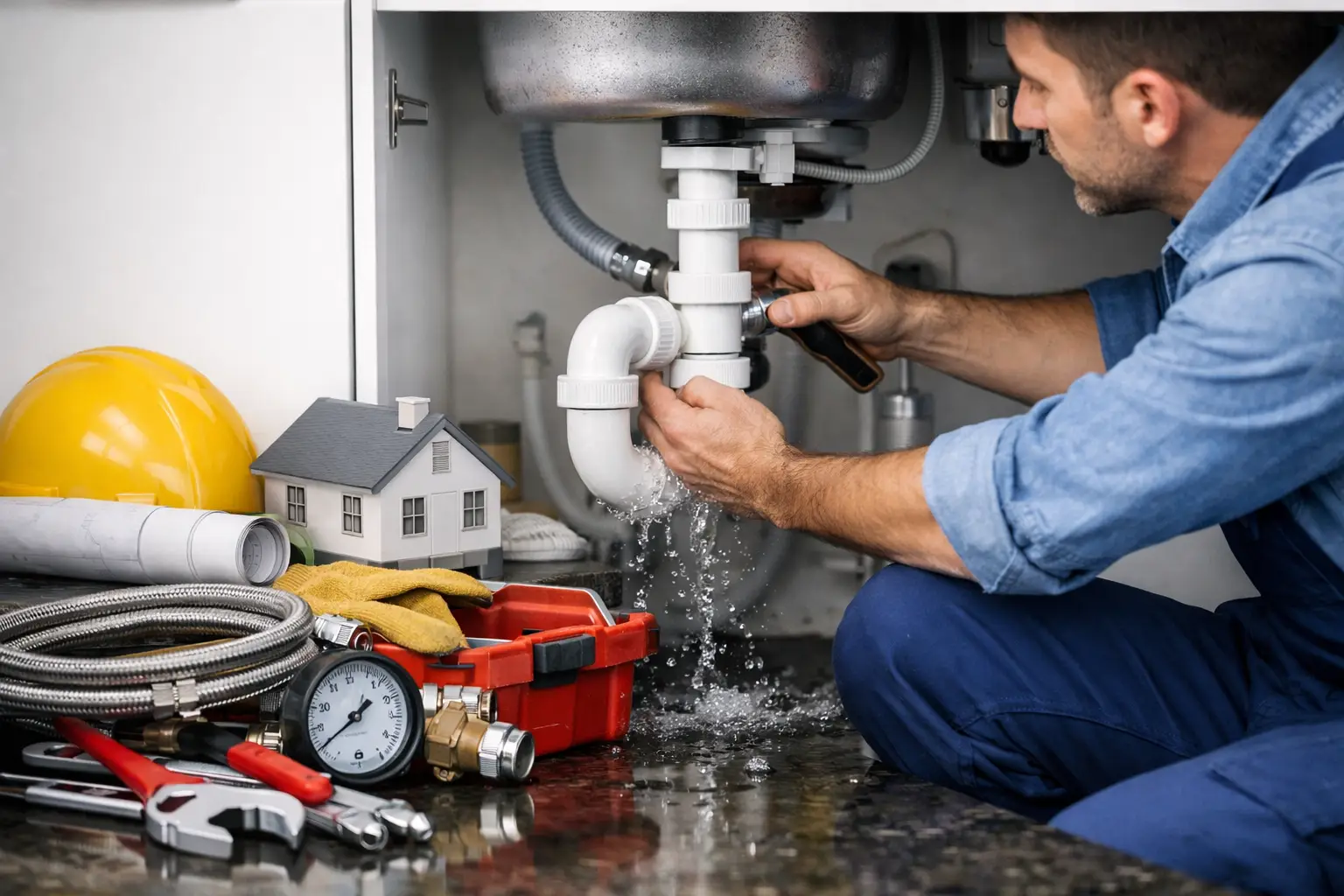
A burst supply line at 2 a.m. is rarely a sudden problem. In many cases, the warning signs were there first: inconsistent water pressure, a slow drain, mineral buildup, a running toilet, or a small leak hidden beneath a cabinet. Plumbing maintenance plans turn those early signals into scheduled action, helping homeowners and business operators avoid costly disruptions and protect the systems they rely on every day.
For a home, that means fewer surprise repairs and greater confidence in water quality. For a commercial property, it can mean preventing restroom closures, equipment downtime, tenant complaints, and water damage that affects operations. The right plan is not simply a yearly inspection. It is a structured approach to plumbing performance, water treatment, preventive repairs, and fast access to expert care when conditions change.
What Plumbing Maintenance Plans Should Cover
A useful maintenance plan starts with a clear understanding of the property. A single-family home with hard water has different needs than a restaurant, office building, rental portfolio, or light industrial facility. The service schedule should reflect the age of the plumbing, the condition of fixtures and drains, water usage, local water characteristics, and any filtration or softening equipment already in place.
The first priority is finding leaks before they become visible damage. A professional inspection can check exposed supply lines, shutoff valves, toilet connections, water heaters, drain piping, pressure regulators, and areas with previous moisture concerns. Even a minor drip can raise utility costs over time and create conditions for mold, damaged cabinetry, or structural repairs.
Drain performance should receive the same attention. Slow drainage may be caused by buildup, grease, soap residue, mineral scale, root intrusion, or a developing blockage farther down the line. Waiting until a drain fully stops working can turn a straightforward maintenance visit into an urgent service call. For commercial kitchens, multi-unit properties, and high-traffic restrooms, drain care often needs to happen more frequently because usage is heavier and the cost of a backup is higher.
Water pressure is another important indicator. Pressure that is too high can place ongoing strain on pipes, fixtures, appliance hoses, and valves. Pressure that is too low may point to scale buildup, a partially closed valve, a leak, or an issue with the incoming water supply. A maintenance visit should include pressure testing when symptoms or property conditions call for it, followed by a practical recommendation rather than a one-size-fits-all repair.
A well-designed plan also reviews the components that are easy to overlook until they fail. This can include sump pumps, ejector pumps, backflow devices, water heater safety controls, outdoor hose connections, and emergency shutoff valves. In colder regions, outdoor plumbing and vulnerable pipe runs deserve added attention before freezing weather arrives.
Water Treatment Belongs in the Plan
Plumbing performance and water quality are closely connected. Hard water can leave scale inside pipes, reduce appliance efficiency, stain fixtures, and shorten the useful life of water-using equipment. Poor filtration maintenance can affect taste, odor, flow rate, and confidence in the water coming from a drinking-water system.
If a property uses a water softener, scheduled service should check salt levels, regeneration settings, brine tank condition, bypass valves, and overall system operation. Softener settings that no longer match household size or water hardness can waste salt and water, or leave the property without adequate scale protection. Commercial systems may need additional monitoring because usage patterns can change significantly with staffing, occupancy, or seasonal demand.
Reverse osmosis systems also need more than occasional attention. Filters and membranes have service intervals, and performance may decline gradually rather than all at once. A maintenance plan can provide timely filter replacement, sanitation where appropriate, and a review of water flow and system output. This is particularly valuable for households that depend on filtered drinking water and businesses where reliable water quality supports staff, customers, or equipment.
Not every property needs a softener, RO system, or advanced treatment equipment. The right solution depends on water test results, existing symptoms, building use, and the level of water quality the owner wants to achieve. Expert guidance should clarify those trade-offs instead of pushing equipment that does not solve a real problem.
Residential Care: Prevent Damage Before It Spreads
For homeowners, maintenance is often about controlling risk in the places they use most: kitchens, bathrooms, laundry areas, basements, and mechanical rooms. A plan can identify aging supply hoses, worn toilet flappers, loose fixtures, corrosion around valves, or water heater concerns before a small issue becomes a repair that interrupts the household.
Seasonal service is especially valuable where temperature swings put plumbing under added stress. Before winter, a professional may review exterior connections, insulation around exposed pipes, and shutoff procedures for vacant or lightly used areas. Before periods of high summer use, it may be more useful to inspect irrigation-related connections, sump systems, or water pressure.
Homeowners should also know where their main water shutoff is located and whether it operates properly. During a leak, every minute matters. A maintenance appointment is an ideal time to verify that the valve is accessible, labeled, and functioning, rather than discovering a problem during an emergency.
Commercial Care: Protect Uptime and Occupants
Commercial plumbing maintenance plans should be built around business continuity. A restroom failure, drain backup, water heater outage, or water-quality issue can affect employees, customers, tenants, and compliance obligations. The goal is to schedule service during lower-impact hours whenever possible and address predictable wear before it interrupts operations.
Property managers benefit from consistent reporting and a clear service history. When a building has recurring drain issues or repeated fixture failures, documented maintenance makes it easier to identify the underlying pattern and budget for a lasting solution. It also supports better communication with owners, tenants, and facility teams.
Restaurants, clinics, offices, retail spaces, and multi-unit properties each have different priorities. A restaurant may need focused drain and grease-related maintenance. A multi-unit building may need close attention to shared water lines, aging fixtures, and pressure balance. A clinic or office may prioritize dependable filtered drinking water and fast response protocols. A plan should reflect those operating realities.
How Often Should Service Be Scheduled?
There is no single interval that fits every property. Many homes benefit from an annual plumbing and water-treatment review, with filter changes or softener service scheduled according to the equipment and water conditions. Older homes, properties with recurring issues, and homes with hard water may need more frequent attention.
Commercial properties commonly need quarterly or semiannual service, but higher-use facilities may require a more active schedule. The right frequency depends on occupancy, fixture count, drain use, equipment type, previous repair history, and the cost of downtime. A provider should explain why a recommended interval makes sense for the property rather than treating every customer the same.
Choosing a Plan That Delivers Real Value
The value of a maintenance plan is not in the name. It is in the clarity of the service scope and the provider's ability to act when a problem is found. Before enrolling, confirm what inspections are included, how water treatment equipment is handled, whether priority scheduling is available, and how repair recommendations are priced.
Transparent pricing matters because maintenance often reveals work that should be completed soon, but not necessarily immediately. A trustworthy provider distinguishes between urgent risks, preventive repairs, and optional upgrades. That gives owners and managers the information needed to make sound decisions without pressure.
Response capability matters as well. Preventive care reduces emergencies, but it cannot eliminate every unexpected failure. Choosing a provider with 24/7 support creates continuity between routine maintenance and urgent service. With Plumingo, customers can coordinate general plumbing, water softener care, and RO filter service through one professional service platform instead of managing separate providers for related systems.
The best time to establish a maintenance plan is before the next visible leak, backup, or water-quality concern demands immediate attention. A scheduled inspection gives you the space to make informed decisions, protect your property, and keep water moving where it should.