
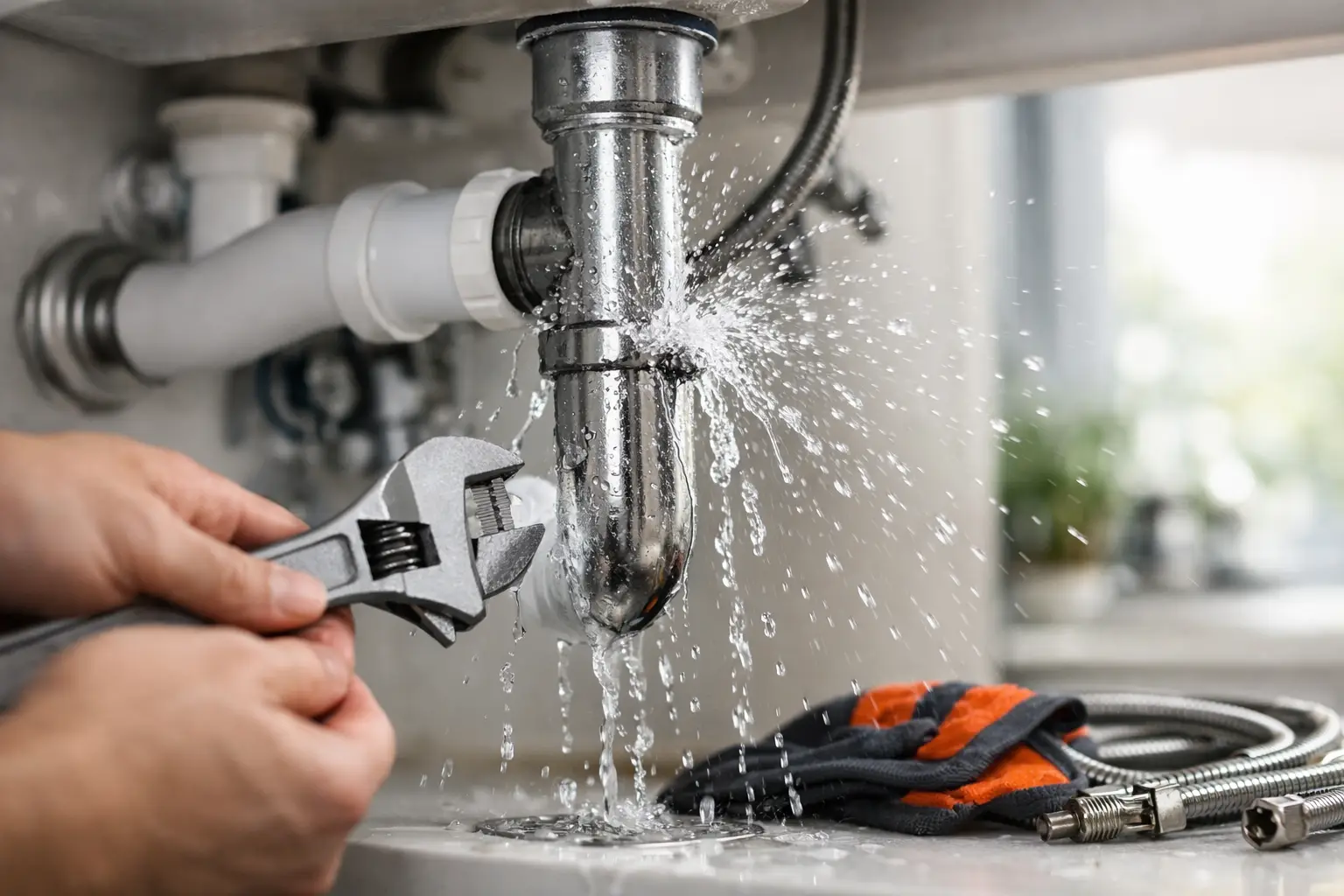
A burst pipe rarely starts as a dramatic event. More often, it begins with a small weakness - freezing water in an exposed line, pressure building behind a valve, or corrosion that has gone unnoticed for too long. If you want to know how to prevent pipe bursts, the goal is simple: reduce stress on your plumbing system before that weak point fails.
For homeowners, property managers, and commercial operators, prevention is always less disruptive than cleanup. Water damage spreads fast, repair costs climb quickly, and downtime can affect everything from daily routines to business operations. The right maintenance plan does not need to be complicated, but it does need to be consistent.
How to Prevent Pipe Bursts Before Cold Weather Hits
Freezing temperatures are one of the most common causes of burst pipes, especially in colder regions and buildings with vulnerable plumbing runs. Water expands as it freezes. When that expansion happens inside a closed pipe, pressure rises until the pipe cracks or splits.
The highest-risk areas are usually unfinished basements, crawl spaces, attics, garages, exterior walls, and utility rooms with limited heat. Pipes in these spaces need attention well before the temperature drops.
Insulation is one of the most effective first steps. Foam pipe insulation is useful for exposed water lines, but insulation alone is not always enough if the surrounding area becomes too cold. In some cases, keeping ambient heat in the space matters just as much as wrapping the pipe itself. Sealing air leaks around windows, vents, and wall penetrations can make a measurable difference.
If a property will be vacant during winter, the risk increases. A building without regular heat or monitoring can develop a frozen pipe problem long before anyone notices. In those cases, it is smart to keep the thermostat set consistently, shut off and drain seasonal water lines, and have someone check the property during cold stretches.
Protect Vulnerable Pipes Inside the Building
Not every burst pipe is caused by extreme weather. Some failures happen because pipes are installed in locations where they face repeated stress over time. Tight wall cavities, unheated service areas, and long horizontal runs can all become trouble spots.
A practical way to reduce risk is to identify where your plumbing system is most exposed. Start with any visible pipes and note where they pass near exterior walls or through spaces that are colder than the rest of the building. If pipes are hidden, warning signs such as cold spots, drafts, or past freeze issues can help narrow the search.
For residential properties, sink cabinets on exterior walls are often overlooked. Opening cabinet doors during severe cold can help warmer indoor air circulate around the plumbing. For commercial spaces, maintenance teams should pay close attention to back-of-house areas, vacant units, and mechanical rooms that may not hold temperature evenly.
Heat tape or heat cable may be appropriate in some situations, but it depends on the pipe location and the product being used. These systems can help protect high-risk lines, but they need proper installation and regular inspection. They are not a substitute for correcting a broader temperature problem.
Water Pressure Matters More Than Most People Think
High water pressure puts continuous strain on pipes, joints, fittings, and appliance connections. Over time, that stress can weaken the system and increase the chance of leaks or sudden failures. In some buildings, pressure spikes are the hidden reason plumbing problems keep returning.
Most properties function best within a controlled pressure range. If pressure is too high, installing or adjusting a pressure-reducing valve may be necessary. If the issue involves thermal expansion, especially in closed plumbing systems, an expansion tank can also help manage pressure changes.
This is where prevention becomes more technical. Pressure that feels strong at a faucet may seem like a benefit, but excessive pressure can shorten the life of your plumbing infrastructure. If you hear banging noises, notice appliance hose wear, or see recurring leaks at fittings, it is worth having the system evaluated.
Watch for Early Signs of Pipe Failure
Pipe bursts often give warning signs before a major break happens. The problem is that these signals are easy to ignore when the plumbing still seems to be working.
Low water pressure, discoloration, damp drywall, musty odors, small recurring leaks, and unusual sounds in the pipes all deserve attention. So do signs of corrosion, such as green or white buildup on fittings, rust marks, or flaking metal on older lines. In commercial settings, even minor moisture issues around utility areas should be treated seriously because hidden leaks can escalate behind walls or above ceilings.
If a pipe has frozen before, that section should stay on your watch list. A pipe does not always burst at the moment it freezes. Sometimes the damage appears later, after the ice thaws and water starts flowing again through a compromised section.
How to Prevent Pipe Bursts With Better Maintenance
Good plumbing maintenance is not just about fixing visible issues. It is about identifying wear before it becomes a failure point. That applies to both supply lines and the equipment connected to them.
Older pipes deserve closer attention, especially if the building has galvanized steel, aging copper, or a history of hard water buildup. Mineral scale can restrict flow and add pressure stress in certain areas. Corrosion can thin pipe walls from the inside out. Neither issue is always obvious without inspection.
Valves should also be checked periodically. A shutoff valve that is stuck or unreliable creates a bigger problem during an emergency. Hose bibs, appliance supply lines, washing machine hoses, water heater connections, and filtration system connections should all be reviewed as part of routine system care.
Water quality plays a role here as well. Hard water can contribute to scale accumulation inside pipes and fixtures, especially over time. In some properties, water treatment support such as softening or filtration is not only about improving water quality but also about reducing long-term wear on plumbing components.
Smart Steps for Vacant Homes and Seasonal Properties
Vacant properties face a different level of risk because problems can develop unnoticed for days. A burst pipe in an occupied building is disruptive. In an empty one, it can become a major loss.
If a home or commercial unit will be empty during winter, maintain indoor heat, even if occupancy is low. Shutting heat off completely may save money in the short term, but it increases the chance of freeze damage significantly. If the property will be vacant for an extended period, winterizing the plumbing system may be the safer option.
That can include shutting off the main water supply, draining lines where appropriate, protecting traps and fixtures, and arranging periodic inspections. The right approach depends on how long the property will sit empty, local climate conditions, and whether any part of the building still needs active water service.
When DIY Prevention Stops Being Enough
There are preventive tasks most property owners can handle, such as insulating exposed pipes, sealing drafts, and monitoring indoor temperature. But there is a point where expert assessment becomes the better decision.
If you are dealing with repeated freeze-ups, unexplained pressure issues, older piping materials, visible corrosion, or a history of leaks, a professional inspection can identify risks that are not obvious from the surface. This is especially important in mixed-use buildings, larger homes, and commercial properties where plumbing layouts are more complex.
Professional support also matters when water treatment systems, pressure control devices, or specialized plumbing infrastructure are part of the building. A pipe does not fail in isolation. System conditions, water quality, pressure behavior, and maintenance history all affect reliability.
For property owners who want fewer surprises, prevention works best as a scheduled service, not a last-minute reaction to freezing weather. A provider such as Plumingo can help assess vulnerable areas, service connected systems, and address small issues before they become emergency calls.
What to Do if You Suspect a Pipe May Burst
If you suspect a pipe is frozen, do not wait for visible damage. Shut off water to the affected area if possible and avoid using open flame or uncontrolled heat to thaw the line. A frozen section can already be cracked, and restoring pressure too quickly may make the damage worse.
If you see bulging pipe, active leaking, or water stains spreading, act immediately. Isolate the water supply and arrange service as soon as possible. Fast response limits structural damage and helps protect flooring, drywall, insulation, and electrical systems nearby.
The best time to deal with a burst pipe is before it happens. A little attention to insulation, pressure, maintenance, and early warning signs can protect the system you rely on every day. When plumbing is treated as critical infrastructure instead of background convenience, costly failures become far less likely.