
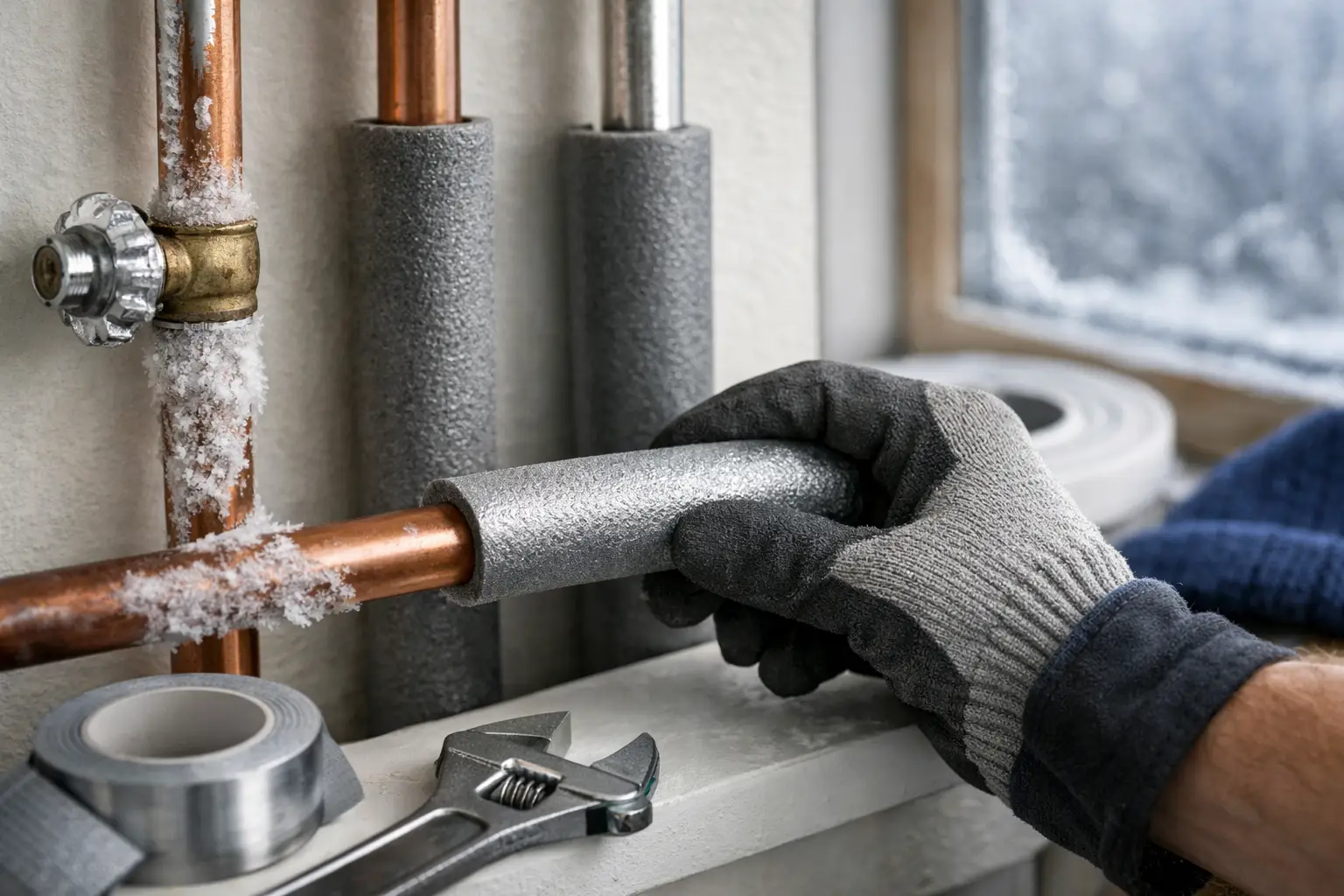
The first hard freeze usually exposes plumbing problems that were already there - uninsulated lines, slow drips, drafty crawl spaces, and outdoor fixtures that never got shut down. If you are wondering how to prepare pipes for winter, the goal is simple: prevent freezing, reduce pressure buildup, and catch weak points before they turn into burst pipes and water damage.
In colder regions, this is not just seasonal maintenance. It is risk management for your home or building. A frozen pipe can split overnight, and the damage often shows up only after temperatures rise and water starts moving again. That delay is what makes winter plumbing failures so expensive.
How to Prepare Pipes for Winter Before Temperatures Drop
The best time to winterize plumbing is before the first sustained freeze, not after a cold snap is already in the forecast. Start with the areas most likely to freeze first: basements, crawl spaces, garages, utility rooms, exterior walls, and any line running near unheated spaces.
Insulation is the first layer of protection. Pipe insulation sleeves are effective for exposed hot and cold water lines, especially in basements and mechanical areas. They do not generate heat, but they slow heat loss enough to make a major difference during overnight freezes. This matters most on lines that sit still for long periods, because standing water freezes faster than water moving through an actively used system.
Seal the surrounding environment too. Small air leaks around foundation penetrations, vents, sill plates, and access panels let in enough cold air to freeze a pipe even when the building itself feels warm. If a pipe runs along an exterior wall, insulation on the pipe alone may not be enough. Sometimes the wall cavity, crawl space, or room temperature needs attention as well.
Outdoor plumbing needs a separate check. Garden hoses should be disconnected and drained. Exterior hose bibs should be shut off from the interior valve if your system has one, then opened outside to release trapped water. If an outdoor faucet holds water in the pipe section exposed to freezing air, it can crack the faucet body or damage the supply line behind the wall.
Focus on the Highest-Risk Pipes First
Not every pipe in a property faces the same level of winter risk. The most vulnerable lines are usually the ones with direct exposure to cold air or inconsistent heat. In residential properties, that often means basement branches, attic runs, garage plumbing, and kitchen or bathroom lines installed on exterior walls. In commercial spaces, the risk may extend to service corridors, vacant units, loading areas, and mechanical rooms with poor heat control.
Properties that sit vacant part of the week need closer attention. A lived-in home with stable heating behaves differently from a seasonal property, a lightly occupied office, or a commercial unit with overnight setbacks. Lowering heat to save energy can make sense, but if it drops too far in a cold spell, the savings disappear fast when a line freezes and ruptures.
This is also the time to identify older plumbing materials or previous repair points. Any section that has frozen before, leaked before, or been patched before deserves a closer look. Winter tends to expose the weakest part of the system, not necessarily the most visible one.
Keep Indoor Temperatures Stable
One of the most common mistakes is treating winter pipe protection as an insulation-only problem. Heat matters just as much. A well-insulated pipe in an unheated cavity can still freeze. For most occupied buildings, maintaining a steady indoor temperature is one of the simplest ways to reduce risk.
That does not mean every space must be kept unusually warm. It means avoiding sharp drops, especially overnight or during travel. Interior doors can affect airflow too. Leaving cabinet doors open below sinks on exterior walls helps warmer room air circulate around plumbing. This is especially helpful during extreme cold, though it is not a substitute for proper insulation or sealing.
If a building has known cold zones, those spaces should be addressed directly. Portable heat may help in some situations, but it must be used carefully and should not become the long-term fix for poor insulation or heat distribution. For larger properties, it may make more sense to inspect the building envelope and mechanical controls than to rely on temporary workarounds each winter.
Let Water Move When Extreme Cold Hits
When a deep freeze is expected, allowing a small trickle of water to run can help protect vulnerable lines. Moving water is less likely to freeze than standing water, and pressure relief matters if ice begins to form inside the pipe.
This approach is useful, but it is not something to apply everywhere by default. It works best when you already know which pipes are at risk, such as a sink line on an exterior wall or plumbing in a poorly insulated crawl space. Letting multiple fixtures run unnecessarily increases water use and may not solve the root issue.
For that reason, dripping faucets should be treated as a short-term defensive step during severe cold, not the full answer to winterization. If a pipe depends on a constant drip every winter, it probably needs insulation, air sealing, rerouting, or a professional inspection.
Do Not Ignore Water Treatment Equipment and Utility Areas
Winter preparation is not only about supply lines to sinks and toilets. Water softeners, reverse osmosis systems, filtration equipment, and connected plumbing also need protection, especially if installed in basements, garages, utility rooms, or lightly heated service spaces.
These systems often include narrow tubing, fittings, housings, and shutoff points that are vulnerable to cold. A frozen line serving filtration equipment can interrupt water quality performance and create hidden leaks once thawing begins. If your building uses treatment equipment, confirm the installation area remains above freezing and that all exposed connections are protected.
Utility rooms should also be checked for drafts, failed weatherstripping, and inadequate insulation around penetrations. A premium plumbing system is only as reliable as the environment around it.
Know the Warning Signs of a Pipe at Risk
Even with preparation, winter plumbing problems can still develop. Early warning signs matter. Reduced water flow from one fixture, frost on exposed piping, unusual odors from drains, banging or whistling in lines, and rooms that suddenly feel colder near plumbing walls can all point to trouble.
If a faucet stops producing water during freezing weather, assume the pipe may be frozen. Do not wait for it to resolve on its own. Shut off water to the affected section if possible and avoid using open flame or uncontrolled heat to thaw the line. Space heaters, hair dryers, or heating pads may help in some accessible cases, but only if used carefully and only when the pipe has not already burst.
If there is any sign of cracking, bulging, or leakage, professional service is the safer move. Once a frozen pipe splits, the real damage often begins during thawing.
How to Prepare Pipes for Winter in Vacant or Part-Time Properties
Vacant homes, cottages, and underused commercial spaces need a more deliberate plan. Simply turning down the thermostat and leaving is risky in cold climates. If the property will be empty for an extended period, full winterization may be the better option.
That can include shutting off the main water supply, draining plumbing lines where appropriate, and protecting fixtures, appliances, and treatment equipment based on the building layout. The exact approach depends on whether the property must remain operational, whether heating will stay on, and how quickly emergency access is available if conditions change.
This is where a tailored inspection makes the biggest difference. A residential home occupied daily has different winter priorities than a retail unit, multi-tenant property, or seasonal building. The right plan depends on usage, exposure, and system complexity.
When Professional Help Makes Sense
Some winter prep tasks are straightforward. Disconnecting hoses, insulating exposed lines, and sealing obvious drafts are well within reach for many property owners. But if pipes run through concealed spaces, the building has a history of freezing, or water treatment equipment is involved, expert service can prevent far more expensive repairs later.
A professional assessment is especially valuable for older homes, commercial buildings, and any property where plumbing downtime creates operational disruption. Frozen pipes are not just a repair issue. They can shut down washrooms, damage inventory, interrupt tenants, and affect water quality systems at the same time.
For customers who want clear recommendations, transparent pricing, and responsive support, this is the kind of seasonal work worth handling before the emergency call becomes necessary. Plumingo helps homeowners and businesses address winter plumbing risks with expert care built around system reliability, not guesswork.
Cold weather does not have to be hard on your plumbing. The smartest approach is to act before the freeze, protect the vulnerable areas, and treat small warning signs like the serious signals they are.