
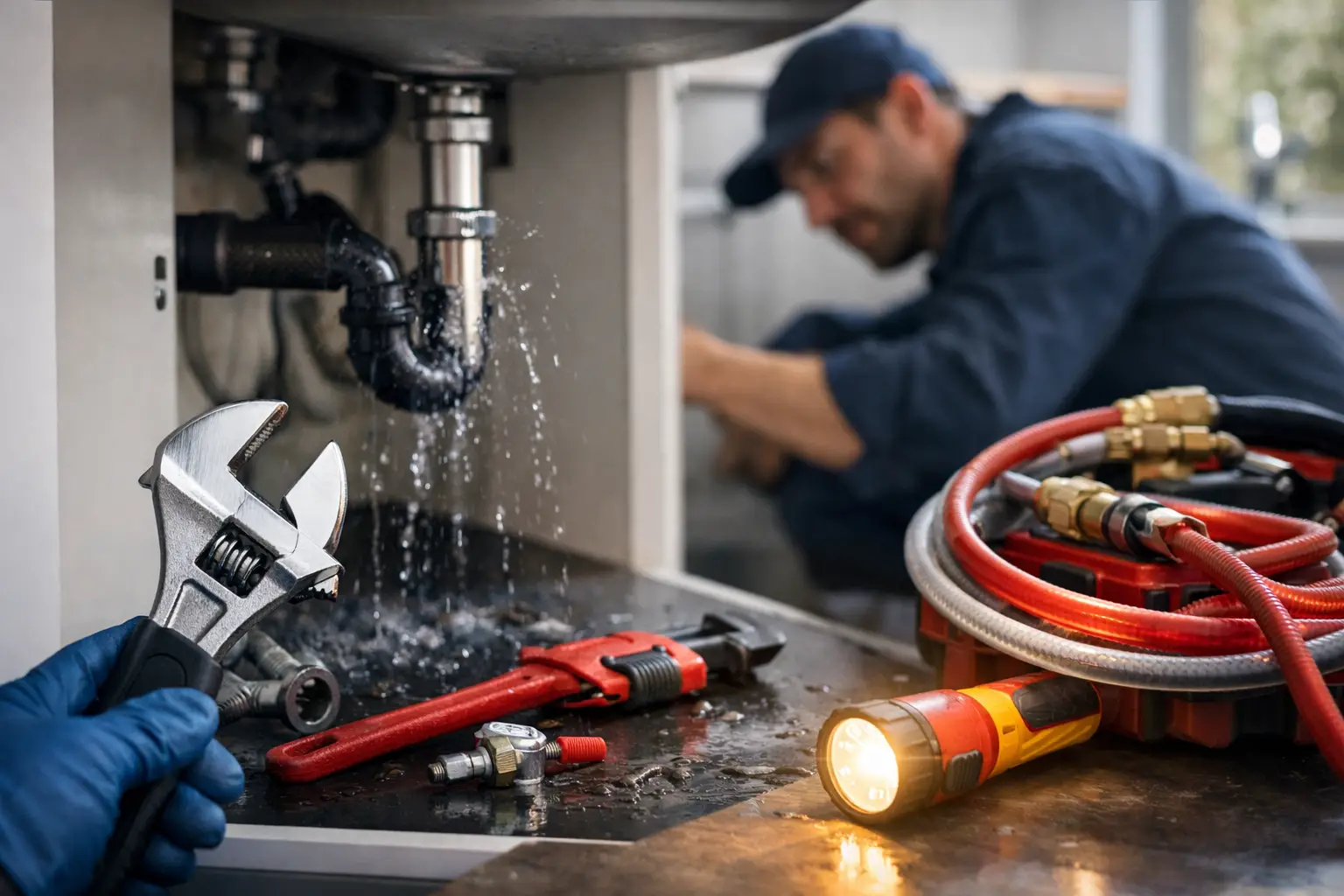
A burst pipe at 2 a.m. is never just a plumbing issue. It is a property protection issue, a water damage issue, and often a business continuity issue. That is why emergency plumbing costs can feel high in the moment - you are not only paying for a repair, you are paying for speed, availability, and the expertise to stop a small failure from becoming a major loss.
What drives emergency plumbing costs
The biggest factor is urgency. Emergency service means a plumber is being dispatched outside the normal workflow, often after hours, overnight, on weekends, or during holidays. That premium covers immediate availability, fast scheduling, and the operational cost of keeping qualified technicians ready around the clock.
The second major factor is the type of problem. A simple toilet overflow and a hidden burst line behind a finished wall are both emergencies, but they do not require the same labor, tools, or repair scope. Some calls are mainly about stopping active water flow. Others involve diagnosis, access work, part replacement, cleanup coordination, and temporary system shutdowns.
Location and property type also matter. A residential emergency in a single-family home is usually more straightforward than an issue in a multi-unit building, restaurant, office, or retail site. Commercial systems can involve code requirements, larger pipe networks, specialty fixtures, and business interruption concerns that increase the overall job cost.
Typical emergency plumbing cost ranges
Emergency plumbing costs usually start with a higher service call or dispatch fee than standard appointments. In many markets, after-hours response alone may range from roughly $150 to $500 before the full repair is priced. Once labor and materials are added, the total can move much higher depending on the issue.
Minor emergency repairs might land in the $250 to $600 range if the problem is identified quickly and the fix is straightforward. This can include a failed shutoff valve, a basic drain issue, or a leaking supply line with easy access. Mid-range repairs often fall between $500 and $1,500 when replacement parts, longer labor time, or more involved troubleshooting are needed.
Major emergencies can exceed that range fast. A burst pipe, sewer backup, failed sump pump during heavy water events, or water heater leak causing active flooding may lead to repair bills of $1,500 to $5,000 or more, especially when access, restoration, or multiple system components are involved. If the plumbing emergency has already caused structural damage, flooring damage, or contamination concerns, the plumbing invoice may only be one part of the total financial impact.
These numbers vary by region, provider, and property conditions, but the pattern is consistent - the more urgent, invasive, and specialized the work, the higher the cost.
Why after-hours plumbing is more expensive
Customers often ask why the same repair costs more at night than it does during a weekday appointment. The answer is simple. Emergency plumbing is not standard scheduling.
After-hours service requires technicians to be on call, vehicles to be stocked, dispatch systems to remain active, and parts access to be managed outside normal supplier hours. In some cases, the plumber may need to stabilize the issue immediately and return with specific parts once suppliers open. That can affect both the first-visit cost and the full project timeline.
There is also a risk component. Active leaks, backed-up drains, and failed water systems create fast-moving property exposure. A provider taking those calls at all hours is charging for readiness and specialized judgment, not just time on site.
Common emergencies and how pricing changes
A clogged drain is one of the most variable examples. If the blockage is isolated and cleared quickly, the cost may stay moderate. If the stoppage is deep in the system, tied to grease buildup, root intrusion, or a sewer line issue, the job may require camera inspection, more advanced equipment, or follow-up repair.
Burst pipes are usually more expensive because the visible leak is often only part of the problem. Water shutoff, pressure testing, pipe replacement, and damage assessment all add to the final bill. If the failed section is behind drywall, under flooring, or in a hard-to-reach ceiling space, access work changes the price significantly.
Water heater emergencies also vary. A leaking tank may need immediate isolation and replacement planning. A unit that has stopped producing hot water may be urgent for a family home and critical for a commercial property, but the cost depends on whether the issue is electrical, mechanical, valve-related, or full unit failure.
Sewer backups are among the most serious and expensive plumbing emergencies because they can involve sanitation risks, specialized clearing methods, and potential cleanup requirements. The plumbing work itself may only be one phase of the response.
What should be included in a clear estimate
Transparent emergency plumbing pricing matters because people are making fast decisions under stress. A professional estimate should explain the dispatch or emergency fee, the labor rate or labor basis, the anticipated material cost, and whether diagnostic work is included.
It should also clarify what happens if the repair scope changes after inspection. That is common in emergency work. A leak that appears to come from one fitting may actually trace back to pressure issues, corrosion, frozen piping, or a failed appliance connection. Good service providers explain that uncertainty early instead of surprising the customer later.
For larger jobs, ask whether the immediate visit covers temporary stabilization only or a full repair. In emergency scenarios, those are not always the same thing. The first priority is often damage control. The permanent fix may require additional time, specialized parts, or scheduled restoration access.
How to keep emergency plumbing costs from escalating
The cheapest emergency is the one that gets contained early. If you can safely shut off the local valve or the main water supply, you may reduce the extent of the repair and the resulting property damage. For commercial operators and property managers, that means staff should know where shutoffs are located before an emergency happens.
Speed also matters. Waiting until morning can save the after-hours premium in some situations, but not in all of them. A slow leak under a sink may be manageable if isolated. A pipe leak inside a wall, a sewage backup, or a failed sump system during active water intrusion usually gets more expensive the longer it sits. This is where experienced judgment matters.
Routine maintenance is another major cost control. Older supply lines, worn valves, neglected drains, hard water scaling, and aging water heaters often show warning signs before failure. Homeowners and facility teams that address those issues early usually spend less than those forced into emergency replacement. For properties with water treatment systems, regular service also helps protect plumbing infrastructure by reducing scale and performance-related wear.
Residential and commercial cost differences
For homeowners, the biggest emergency plumbing cost drivers are timing, water damage exposure, and fixture accessibility. The job is typically priced around stopping the immediate issue and restoring safe function with as little disruption as possible.
For commercial properties, the pricing conversation is broader. Downtime, tenant impact, public-facing operations, compliance requirements, and system complexity all shape the final cost. A restaurant with a drain failure, an office with a restroom outage, and a multifamily property with a riser leak do not carry the same urgency profile, even if the repair itself looks similar at first glance.
That is why a premium provider does more than quote a number. The right team evaluates risk, isolates the problem quickly, and gives a clear path from emergency response to stable system performance.
When a higher price is worth it
The lowest number is not always the lowest cost. In emergency plumbing, poor diagnosis, incomplete repairs, or delayed response can turn a manageable issue into a much larger one. Paying more for a qualified, responsive provider often protects against repeat visits, avoidable damage, and unclear billing.
This is especially true when the problem affects more than one system. A plumbing emergency may overlap with water quality equipment, pressure regulation, drainage performance, or fixture reliability. Working with a provider that can assess the full picture is often the smarter financial decision. For customers who want fast response with transparent pricing and technical depth, companies like Plumingo are built for exactly that kind of service expectation.
If you are facing an urgent plumbing issue, focus on two questions first: how fast can the damage spread, and how clearly can the provider explain the cost. The right answer is not always the cheapest callout. It is the repair that protects the property, restores function, and leaves you with no uncertainty about what you paid for.