
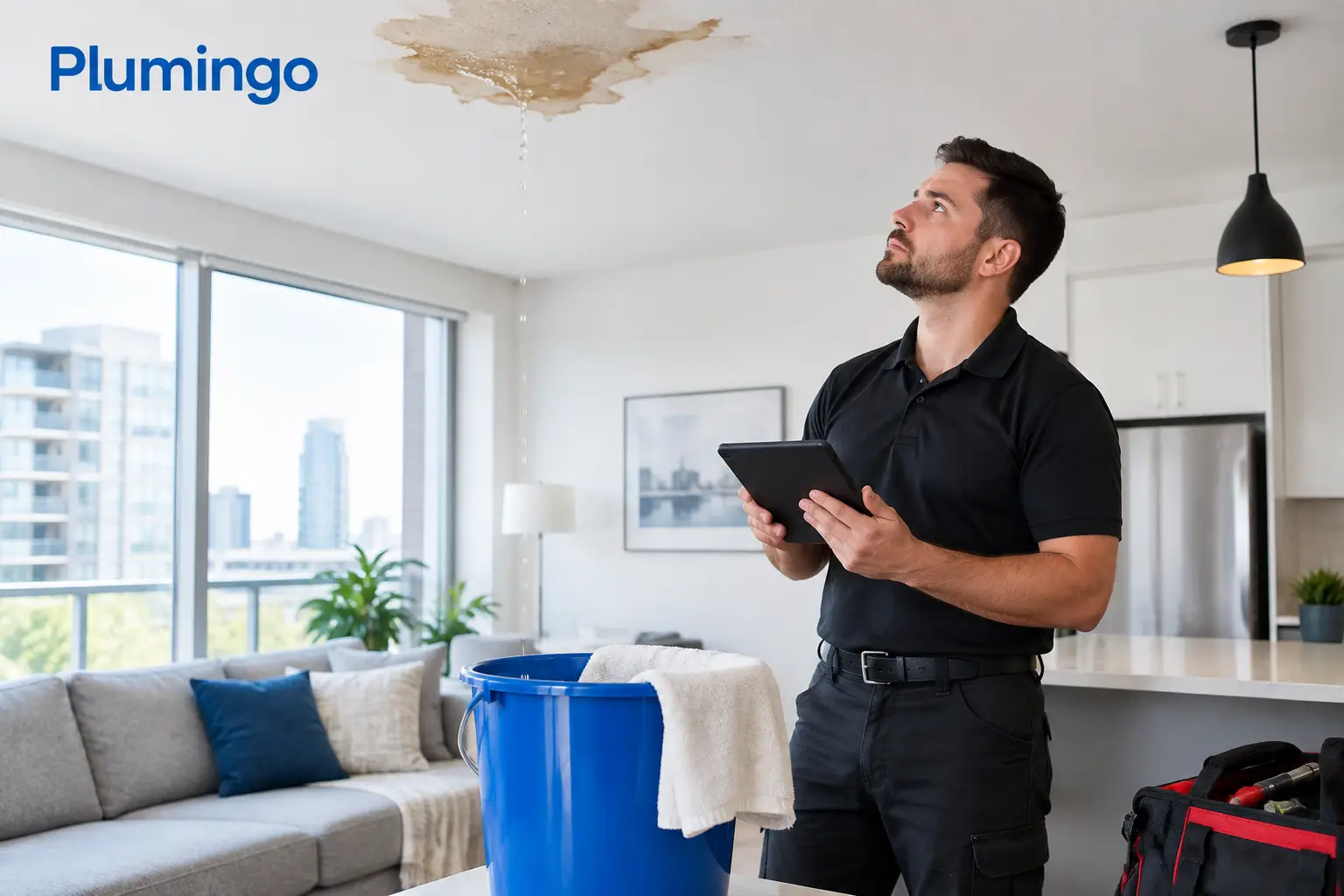
Water appearing under a condo sink, along a ceiling seam, or near a mechanical closet creates more than a repair question. It can involve neighboring suites, common elements, building management, insurance, and the source of the water itself. Effective condo leak remediation starts by controlling the active leak, protecting people and property, and documenting conditions before damage spreads.
A small visible stain does not always mean a small issue. Water can travel along pipes, floor assemblies, framing, and drywall before it becomes visible. At the same time, not every leak requires major demolition or replacement. The right scope depends on where the water originated, how long materials stayed wet, and which parts of the building are affected.
Start With Safety and Water Control
If water is actively flowing, the first priority is to reduce it at the nearest safe shutoff point. A leaking fixture may have a local isolation valve. If that is not accessible or does not stop the flow, the unit's main shutoff may be required. Avoid operating electrical switches or appliances near standing water, and keep occupants away from areas where a ceiling is sagging or dripping.
Move rugs, furniture, stored belongings, and electronics away from the affected area when it is safe to do so. Take clear photos and short videos before cleaning up, especially of the water source, visible damage, and any items that may need to be assessed later. This record helps the property manager, insurer, and service professional understand what occurred.
Then notify the condominium corporation or property manager promptly. In a condo, a leak may originate from your unit but affect a common pipe, another suite, or a shared building system. Early communication helps coordinate access, limit further damage, and clarify who needs to be involved.
How Condo Leak Remediation Is Scoped
Leak remediation is not only about drying a wet spot. It begins with identifying the source and determining whether the water is clean supply water, wastewater, or water affected by another contaminant. That distinction influences cleanup procedures and which materials can reasonably be dried, cleaned, repaired, or removed.
A plumbing assessment should establish whether the cause is a failed supply line, drain connection, fixture seal, appliance hose, pipe fitting, or another condition. In multi-unit properties, technicians may need access to the suite above, below, or beside the visible damage. A ceiling stain below a bathroom, for example, can come from a shower drain, toilet seal, overflowing fixture, or a pressurized water line. Treating the stain without confirming the source risks a repeat leak.
Once the source is stopped, the next question is how far water traveled. Moisture testing can help identify wet drywall, baseboards, cabinetry, flooring, insulation, or subflooring that may look dry on the surface. The repair plan should be based on actual conditions, not assumptions.
Drying is often appropriate when materials are structurally sound, exposure was limited, and moisture can be reduced quickly. Selective removal may be appropriate when drywall has absorbed significant water, flooring has swollen, insulation is saturated, or wastewater has contacted porous materials. A professional recommendation should explain the reason for the proposed work and distinguish essential remediation from optional upgrades.
The Building's Responsibility Matters
Condo responsibility is not always intuitive. Unit owners are commonly responsible for fixtures and equipment within their suite, while the corporation may be responsible for common elements, shared plumbing, or building envelope issues. However, the exact division depends on the declaration, bylaws, insurance policy, and the source of the loss.
Do not rely on a general assumption that water damage is automatically covered by one party. Provide timely notice, preserve photos and invoices, and ask the property manager which reporting process applies. Clear documentation supports a faster decision about access, repairs, and insurance coordination.
The Right Repair Sequence
A well-managed response follows a practical order: stop the water, inspect the source, document affected areas, dry or remove damaged materials as needed, repair the plumbing fault, then restore finishes. Reversing that order can create unnecessary rework. Installing new drywall or flooring before moisture conditions are addressed may trap a problem behind a finished surface.
The plumbing repair itself should match the cause. A loose connection may need to be secured or replaced. An aging flexible supply line may warrant replacement. A drain leak may require a new seal, fitting, or section of piping. A properly diagnosed repair is usually preferable to replacing more of the system than necessary.
After repairs, testing matters. Fixtures, drains, appliances, and supply lines should be run long enough to confirm that the leak has stopped under normal use. If the original issue occurred only when a shower was used, a focused shower test is more meaningful than simply turning on the bathroom faucet.
Restoration should wait until affected materials are dry and conditions support it. Depending on the extent of the leak, that can include patching drywall, reinstalling baseboards, repairing cabinetry, or replacing selected flooring. In condominium buildings, the restoration scope may also need approval from management, particularly where common elements or shared finishes are involved.
Why Fast Reporting Is Different From Rushing Repairs
Fast reporting is sensible because water can migrate and moisture can affect materials beyond the visible area. Rushing into broad demolition before the source and extent are assessed is not always sensible. The goal is a measured response: act quickly to control water and document the incident, then make repair decisions based on evidence.
This approach is especially useful for property managers and commercial operators with multiple tenants or suites. A clear incident record can include the time the issue was discovered, who was notified, shutoff actions taken, photos, affected locations, and service findings. That information creates continuity between building staff, contractors, insurers, and occupants.
For homeowners, keeping a simple record also reduces uncertainty. Note whether water was clear or discolored, whether a drain backed up, whether an appliance was running, and whether the issue has happened before. Small details often help pinpoint the cause.
Preventing Repeat Condo Leaks
Many condo leaks begin at predictable points: aging supply hoses, loose shutoff valves, deteriorated caulking, appliance connections, slow drain leaks, and fixtures that have not been checked in years. A periodic visual inspection is a practical first line of defense. Look under sinks, behind toilets, around dishwashers and washing machines, and inside vanity cabinets for staining, corrosion, moisture, or musty odors.
Residents should also know the location of their unit shutoff valve and ensure it remains accessible. Property managers can reduce disruption by maintaining records of unit plumbing shutoffs, common risers, prior incidents, and scheduled inspections. In older buildings, recurring issues in the same stack or area may point to a larger maintenance need rather than separate one-off repairs.
Water quality can also affect plumbing performance over time. Mineral buildup may contribute to reduced flow, fixture wear, or appliance inefficiency. Where hard water is a concern, appropriate water treatment and routine service can support the lifespan of plumbing fixtures and equipment. It will not prevent every leak, but it can be part of a broader maintenance plan.
When to Call for Professional Help
Professional assessment is appropriate when the source is unclear, water is coming through a ceiling or wall, more than one unit may be affected, drainage has backed up, or moisture remains after the obvious leak has stopped. It is also appropriate when a repair involves concealed piping, appliance connections, or building systems that require coordinated access.
For Kitchener condo owners and property managers, Plumingo can help assess plumbing-related leak sources, complete appropriate repairs, and provide clear service information for the next steps. Transparent findings are particularly valuable when several parties need to understand what happened and what work is required.
The most useful next move is rarely to guess at the cause or cover the evidence. Stop the water if you can do so safely, notify the right people, document what you see, and let the repair scope follow the facts.