
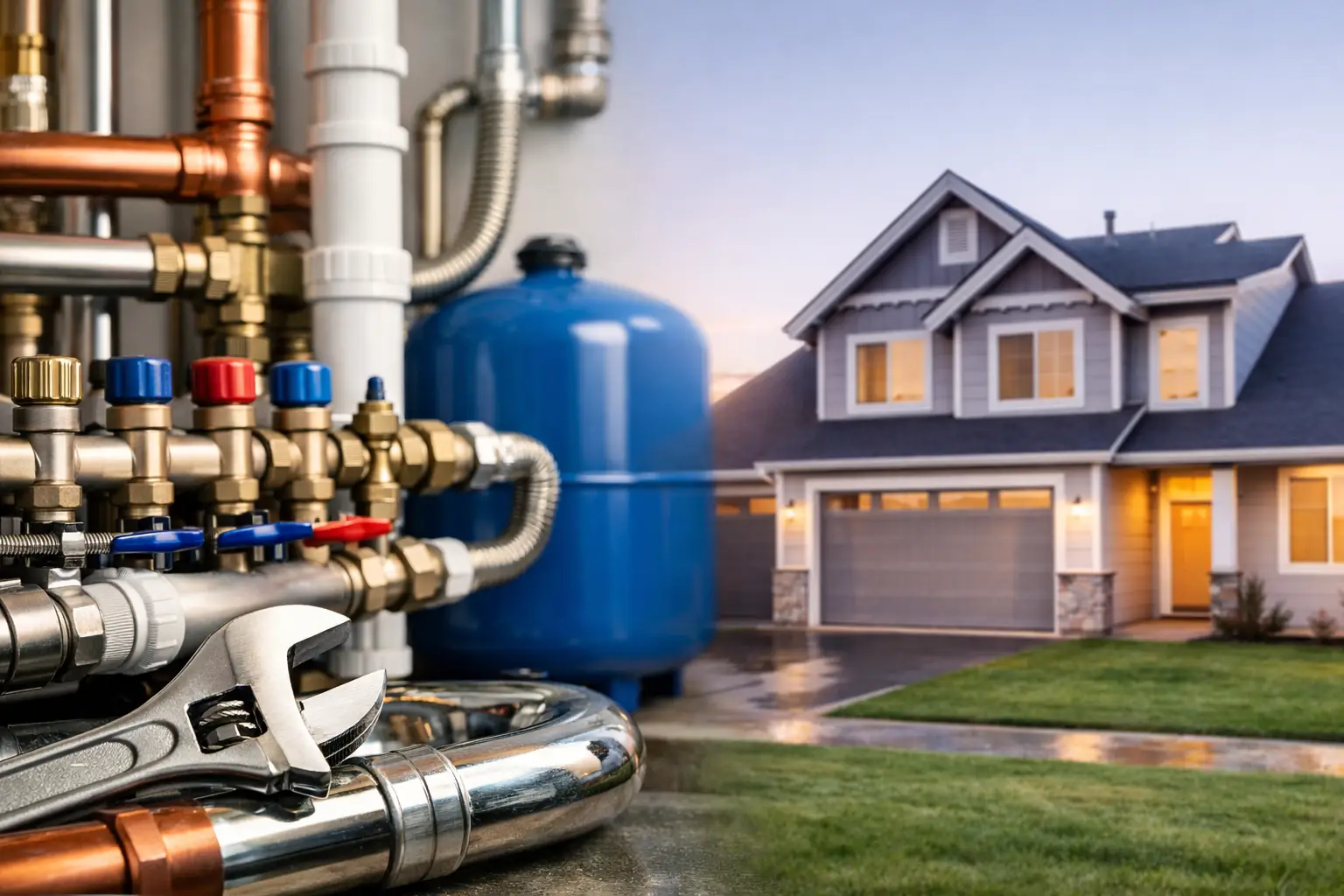
If you are trying to choose the best house plumbing system, the wrong decision usually does not show up on day one. It shows up later as low pressure in the upstairs shower, early pipe corrosion, noisy lines, recurring leaks, or water that never quite tastes right. A good plumbing system is not just about moving water. It has to match the home, the local water conditions, and the level of reliability you expect over time.
What makes the best house plumbing system?
There is no single setup that wins for every property. The best house plumbing system for a custom home in a cold climate may not be the best choice for an older house with partial renovations or a mixed-use property with heavier daily demand. The right system balances pipe material, water pressure, water quality, fixture load, maintenance expectations, and budget.
For most homes, the best result comes from treating plumbing as a full system rather than a collection of parts. Supply piping, drain lines, shutoff valves, pressure regulation, water heating, and filtration all affect performance. If one area is undersized or poorly selected, the rest of the system has to work harder.
That matters even more in homes with hard water, seasonal temperature swings, or aging infrastructure. In those conditions, durability and water treatment can be just as important as the pipe layout itself.
The core parts of a high-performing home plumbing system
A strong residential plumbing system starts with reliable water supply lines. These bring fresh water into the home and distribute it to bathrooms, kitchens, laundry areas, and utility fixtures. From there, drain and vent lines remove wastewater safely while preserving proper flow and preventing sewer gas issues.
Beyond the basic pipe network, a complete system also includes shutoff points, a water heater, pressure control, backflow protection where required, and in many homes, filtration or water softening. Homeowners often focus only on pipe material, but long-term performance depends on how these components work together.
A premium setup is not always the most expensive one. It is the one that fits the home's demand and reduces predictable failure points.
Pipe material matters more than most homeowners think
When people ask about the best house plumbing system, they are often really asking which pipe material is best. That is a fair question, but the answer depends on the home's age, location, and water profile.
PEX for flexibility and modern residential use
PEX is now one of the most common choices for residential supply lines, and for good reason. It is flexible, efficient to install, and generally performs well in a wide range of homes. It handles complex routing with fewer fittings than rigid pipe, which can reduce leak points. In many projects, it also lowers labor time.
PEX is often a strong choice for repipes, new construction, and additions. It is especially practical where framing layouts make rigid piping more complicated. That said, product quality, installation standards, and code compliance still matter. A good material installed poorly is still a poor system.
Copper for longevity and proven performance
Copper remains a premium option in many homes. It has a long track record, offers a clean professional installation, and is still preferred by some owners and contractors for durability and heat tolerance.
The trade-off is cost. Copper is usually more expensive in both material and labor, and it can be more vulnerable in homes with aggressive water chemistry. If the water has a low pH or other corrosive characteristics, copper may not be the best long-term fit without water treatment adjustments.
CPVC and other options
CPVC is used in some residential plumbing systems and can be cost-effective in the right application. Still, it is less flexible than PEX and may become more brittle with age. In a home expected to stay in service for decades, many owners prefer a more modern or more durable approach.
For most residential supply systems today, the conversation usually comes down to PEX versus copper. The better choice depends on budget, water quality, and installation goals.
Layout affects comfort as much as reliability
Two homes can use the same pipe material and perform very differently. That is because layout matters.
A well-designed system delivers stable pressure, shortens wait time for hot water, and limits the performance drop when multiple fixtures run at once. In larger homes, this may mean using a manifold-style PEX system or zoning parts of the water distribution more effectively. In other cases, it may mean upsizing specific lines or reworking fixture branches that were poorly planned during an earlier renovation.
If your home has chronic temperature swings in the shower when another fixture turns on, or if one bathroom always has weaker flow than the rest, the issue may be design rather than age alone.
Water quality should shape the system from the start
This is where many homeowners miss the bigger picture. The best house plumbing system is not only about pipes. It is also about the water moving through them.
Hard water can shorten the life of fixtures, reduce appliance efficiency, and create scale buildup inside pipes and heating equipment. Sediment can wear down valves and restrict flow. Chlorine, minerals, and other water characteristics can affect both plumbing materials and day-to-day water use.
That is why filtration and conditioning are often part of a better overall plumbing strategy, not an optional add-on. A water softener can help protect plumbing and extend the service life of water-using equipment in hard water areas. Reverse osmosis can improve drinking water quality at the point of use. In some homes, a whole-house filtration approach makes sense, especially where taste, odor, or particulate issues are recurring concerns.
If the water quality is working against the system, even high-end plumbing components can wear faster than expected.
Pressure control is one of the most overlooked upgrades
Many homeowners assume stronger pressure is always better. It is not.
Excessive water pressure puts continuous stress on supply lines, valves, connectors, and appliances. Over time, that can lead to leaks, noise, fixture wear, and premature failure. On the other side, pressure that is too low affects comfort and daily function.
A pressure-reducing valve, properly sized piping, and accurate system assessment can make a major difference. In homes with expansion issues, a thermal expansion tank may also be part of the right setup. These are not flashy upgrades, but they protect the entire system.
For older homes, replacement is not always all or nothing
If you own an older property, you may be deciding whether to patch existing plumbing or invest in broader upgrades. There is no universal answer.
If the home has isolated issues and the original piping is still in solid condition, targeted repairs may be reasonable. But if leaks are becoming frequent, water quality is inconsistent, pressure is poor, or pipe material is nearing the end of its expected life, piecemeal work often becomes more expensive over time.
Older galvanized lines, outdated connections, and partially upgraded systems tend to create hidden weak points. One section gets repaired, then another fails. At that stage, a structured repipe plan usually offers better long-term value and fewer surprises.
The best system is the one you can maintain
A house plumbing system should be built for serviceability as well as performance. Shutoff valves need to be accessible. Water treatment equipment should be sized correctly and maintained on schedule. Drain systems should be inspected when warning signs appear, not after backups become emergencies.
This is where professional oversight matters. A dependable provider does more than install pipe. They evaluate the system as a whole, identify risks before they become expensive, and keep the plumbing aligned with the home's actual use. For homeowners who want fewer disruptions and clearer decision-making, that level of support matters.
Plumingo's approach reflects that standard - responsive service, transparent pricing, and attention to both plumbing performance and water quality.
How to decide on the best house plumbing system for your property
Start with the basics. Look at the age of the home, current pipe material, pressure behavior, hot water delivery, and any recurring service issues. Then consider the water itself. If hard water, scale, odor, sediment, or taste issues are present, the plumbing decision should include treatment options from the beginning.
From there, think beyond upfront cost. The lowest installation price is not always the lowest ownership cost. A well-matched system can reduce repairs, protect fixtures, improve water quality, and give you more predictable performance for years.
The best choice is usually not the most complicated one. It is the system that fits the property, handles daily demand without strain, and leaves room for clean maintenance when service is needed.
If you are evaluating a new build, a renovation, or an aging plumbing network, choose with the whole system in mind. The right plumbing setup should feel quiet, stable, and easy to trust long after the work is done.